German Potato Pancakes, or Kartoffelpuffer, are one of Germany’s most loved comfort foods — crispy on the outside, soft inside, and bursting with simple potato flavor. Whether enjoyed as a sweet treat with applesauce or a savory dish with sour cream and herbs, these golden pancakes hold a special place in both traditional and modern German cuisine. In this guide, we’ll explore what makes these pancakes unique, how to make them perfectly crispy, and the cultural roots behind this humble yet satisfying dish.
Looking for inspiration? Try this mashed potato pancakes recipe for another twist on a classic.
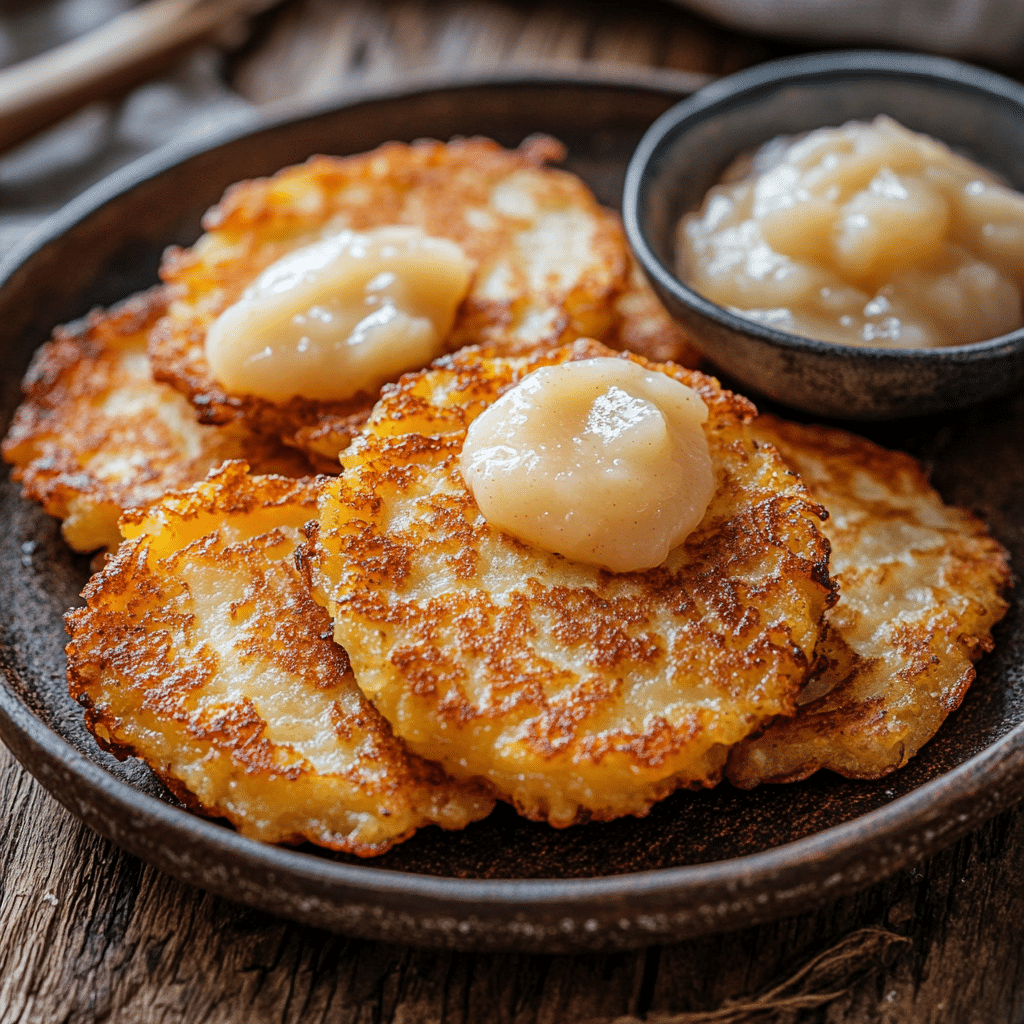
Table of Contents
What Are German Potato Pancakes?
What Defines German Potato Pancakes
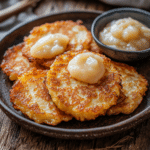
German Potato Pancakes, often called Kartoffelpuffer or Reibekuchen, are a popular fried potato dish found throughout Germany and neighboring countries. They’re made by grating raw potatoes, mixing them with a few basic ingredients like onion, egg, flour, and salt, and frying until perfectly crispy. The result is a pancake that’s golden and crunchy on the outside while soft, savory, and slightly sweet inside. Unlike hash browns or latkes, German Potato Pancakes usually have a smoother texture and are often served larger, more like a thin fritter than a small patty.
In many German regions, these pancakes are a favorite street food, especially during fall and winter fairs. Vendors often serve them fresh off the griddle with a side of homemade applesauce or sour cream. This simple combination captures what German comfort food is all about — hearty, easy to make, and deeply satisfying.
Traditional Ingredients and Classic Texture
The core of an authentic German Potato Pancake lies in its simplicity. The main ingredients are:
- Potatoes (usually starchy types like Russet or Yukon Gold)
- Onion
- Egg
- Flour or potato starch
- Salt and pepper
These ingredients are mixed to create a slightly thick, starchy batter that binds together beautifully when fried. The texture of the batter is crucial — too wet, and the pancakes become soggy; too dry, and they lose their tender inside. Germans traditionally grate the potatoes by hand using the fine side of a box grater. This technique releases just enough starch to help the pancakes crisp up naturally in hot oil.
When done right, the pancakes emerge with a crisp, golden crust that gives way to a fluffy, almost creamy interior. They’re best eaten immediately, but they can also be reheated in the oven to bring back their crispness.
Don’t miss our crispy balsamic potato torte for another delicious potato-based dish.
German Potato Pancakes: A Complete Guide to Kartoffelpuffer and How to Perfect Them
- Total Time: 40 minutes
- Yield: 6 pancakes 1x
- Diet: Vegetarian
Description
Authentic German Potato Pancakes (Kartoffelpuffer) — crispy and golden, served sweet or savory.
Ingredients
4 medium Russet potatoes
1/2 onion, grated
1 egg
2 tbsp flour or potato starch
1/2 tsp salt
1/4 cup oil for frying
Instructions
1. Grate potatoes and onion finely.
2. Squeeze excess liquid and keep potato starch.
3. Mix ingredients until combined.
4. Heat oil and fry spoonfuls until golden on both sides.
5. Serve warm with applesauce or sour cream.
Notes
For a gluten-free version, replace flour with potato starch.
For extra crispiness, drain pancakes on a wire rack.
- Prep Time: 20 minutes
- Cook Time: 20 minutes
- Category: Main Dish
- Method: Frying
- Cuisine: German
Nutrition
- Serving Size: 150 g (3 pancakes)
- Calories: 280
- Sugar: 2 g
- Sodium: 250 mg
- Fat: 11 g
- Saturated Fat: 2 g
- Unsaturated Fat: 8 g
- Trans Fat: 0 g
- Carbohydrates: 38 g
- Fiber: 3 g
- Protein: 7 g
- Cholesterol: 55 mg
History and Cultural Background of Potato Pancakes
Origins of Kartoffelpuffer in German Cuisine
The story of Kartoffelpuffer begins centuries ago, tracing back to the 18th century when potatoes became a staple crop in Germany. Before that, potatoes were viewed with suspicion and mainly grown for animal feed. However, during times of food scarcity, they quickly became a reliable source of nutrition — cheap, filling, and easy to grow. As the humble potato gained popularity, German cooks discovered creative ways to transform it into satisfying meals, and one of those creations was the potato pancake.
Originally, Kartoffelpuffer were made by rural families who needed hearty, affordable meals. Over time, they evolved into beloved comfort food enjoyed across every region of Germany. Today, you’ll find them served at bustling Christmas markets, local fairs, and Sunday breakfasts alike. Each region adds its own twist — from the thinner, crispier Reibekuchen of the Rhineland to the slightly thicker Erdäpfelpuffer found in Bavaria.
For Germans, these pancakes represent more than just a snack — they symbolize home cooking, tradition, and the joy of simple flavors shared with family.
Check out Greek Potato Salad for another example of how potatoes take center stage in global comfort food.
According to Wikipedia’s guide on the history of potato pancakes, these dishes date back centuries and vary across Europe.
Potato Pancakes Across Europe
The beauty of German Potato Pancakes is that their concept resonates across Europe. Almost every country has its own version:
| Country | Local Name | Key Difference | Common Pairing |
|---|---|---|---|
| Poland | Placki ziemniaczane | Often seasoned with marjoram | Served with sour cream or goulash |
| Switzerland | Rösti | Made from boiled potatoes | Eaten as a breakfast or side dish |
| Belarus | Draniki | Thicker, with onion and flour | Served with sour cream |
| Ireland | Boxty | Combines raw and mashed potatoes | Commonly eaten with bacon |
This wide range of variations highlights the potato’s versatility and how it’s deeply tied to European culinary identity. However, German Kartoffelpuffer stand out for their texture and balance — crispy yet tender, simple yet flavorful. They blend the rustic spirit of peasant cooking with the warmth of homemade German cuisine.
Learn more about cozy European comfort meals like Broccoli Potato Cheese Soup, which shares that same creamy, heartwarming appeal.
German Potato Pancakes vs Latkes – Key Differences
Ingredients and Preparation Differences
At first glance, German Potato Pancakes and latkes seem almost identical — both are crispy, fried potato patties made from grated potatoes. However, subtle differences in ingredients and preparation set them apart.
Traditional German Potato Pancakes (Kartoffelpuffer) use finely grated raw potatoes mixed with onion, egg, flour, salt, and sometimes a touch of milk to smooth the texture. The batter is more fluid, which gives the finished pancake a flatter shape and a delicate, crisp surface. In contrast, latkes, which come from Jewish cuisine and are often served during Hanukkah, typically include coarser-grated potatoes mixed with matzo meal or breadcrumbs as a binder. This creates a thicker, chunkier texture with distinct shreds of potato visible after frying.
Another notable difference lies in the cooking fat. German cooks often use neutral oils like sunflower or canola, while traditional latkes are fried in schmaltz (rendered chicken fat) or vegetable oil, giving them a richer flavor.
In short, while both recipes celebrate the humble potato, Kartoffelpuffer lean toward a smoother, pancake-like consistency, and latkes deliver a hearty, rustic crunch.
Looking for inspiration? Try Smashed Fingerling Potatoes for another crispy, potato-forward side dish idea.
Cultural and Festive Roles
Beyond ingredients, the two dishes hold very different meanings within their cultures. Latkes are central to Jewish Hanukkah celebrations, symbolizing the miracle of oil that burned for eight days in the Temple of Jerusalem. They’re a holiday staple, often served with applesauce or sour cream, and represent joy, remembrance, and family gathering.
German Potato Pancakes, however, don’t have a specific religious connection. Instead, they’re a beloved street food and comfort dish that appears at local markets, fairs, and family dinners. You’ll often find them sizzling on cast-iron griddles at Christmas markets (Weihnachtsmärkte) alongside the scent of roasted nuts and mulled wine. Their appeal lies in their simplicity — a snack anyone can make and enjoy.
So, while latkes are deeply tied to Jewish tradition, Kartoffelpuffer represent everyday comfort and German home-style cooking. Both celebrate the versatility of potatoes, but they tell different stories about heritage, community, and celebration.
Discover great ideas like our Mashed Potato Pancakes Recipe, which blends the best of both styles for a tasty middle ground between crispy and creamy.
Step-by-Step Guide to Making Perfect German Potato Pancakes
Prepping and Grating Potatoes Correctly
When making German Potato Pancakes, success starts with choosing and prepping your potatoes correctly. Starchy varieties like Russet or Idaho potatoes work best because they crisp up beautifully and hold together without needing too much flour.
Begin by peeling your potatoes and grating them on the fine side of a box grater or a food processor attachment. The finer texture helps create that smooth, cohesive pancake batter Kartoffelpuffer are known for. After grating, place the potatoes in a clean kitchen towel or cheesecloth and squeeze out as much liquid as possible — this step is key. Excess moisture can make your pancakes heavy and soggy instead of crisp and golden.
Once drained, let the potato liquid sit for a few minutes. You’ll notice a layer of starch settling at the bottom of the bowl. Carefully pour off the water but keep that starchy residue — it acts as a natural binder for your batter. Combine the grated potatoes, starch, grated onion, egg, salt, pepper, and a small spoon of flour or potato starch. Mix well until everything is evenly coated.
Your mixture should feel thick but slightly wet — enough to spoon easily onto a pan without falling apart. If it’s too loose, add a little more flour; if too dry, mix in a tablespoon of milk.
Don’t miss our Crispy Balsamic Potato Torte for another perfect potato dish that balances crisp texture and rich flavor.
Frying for Crispiness and Flavor
The secret to perfectly fried German Potato Pancakes lies in temperature control. Use a wide, heavy skillet (cast iron is ideal) and pour in about ¼ inch of neutral oil such as sunflower or canola. Heat it over medium-high heat until shimmering but not smoking — around 350°F (175°C) is ideal.
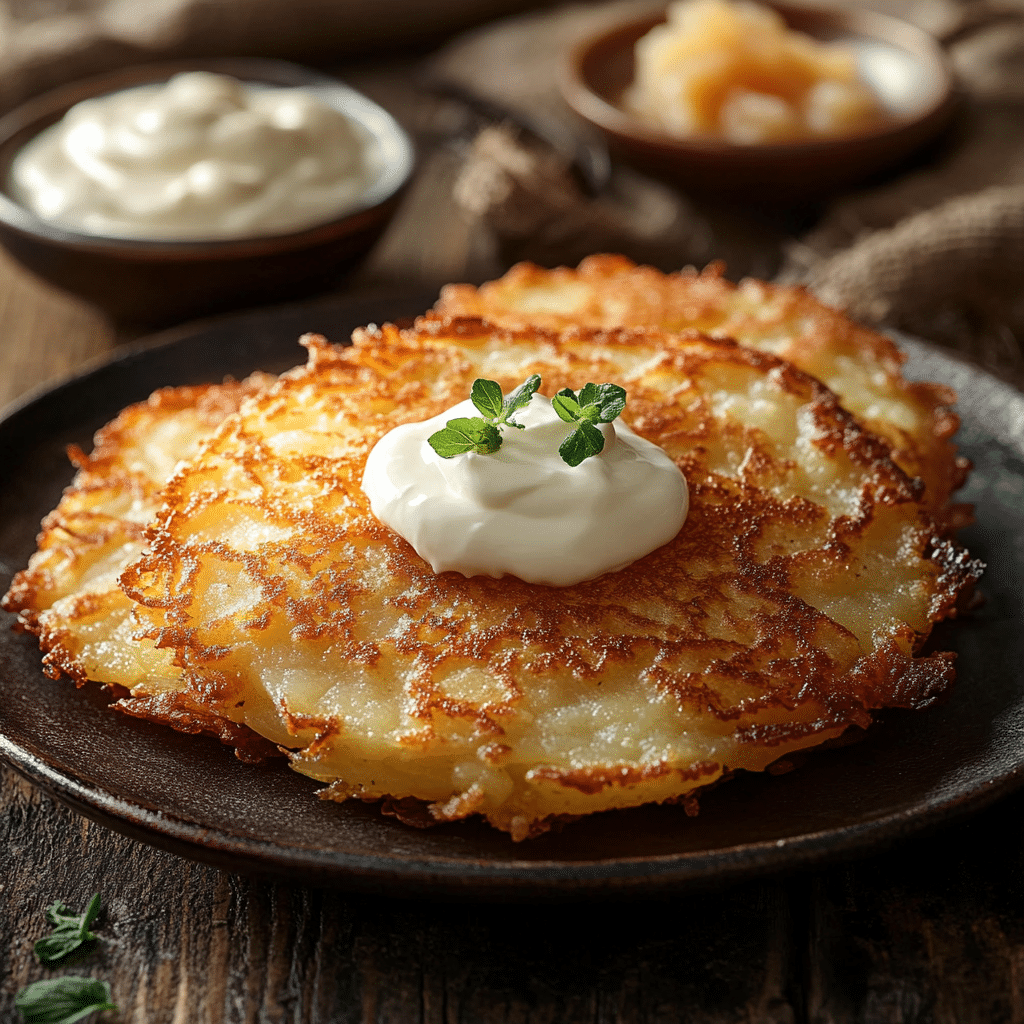
Spoon small portions of the batter into the hot oil and gently flatten them with the back of a spoon to form thin pancakes. Don’t overcrowd the pan; too many at once will lower the oil temperature and make them greasy. Fry each side for 2–3 minutes or until golden brown and crisp. Once done, transfer them to a paper towel-lined plate to remove excess oil.
Serve your freshly cooked pancakes warm, with a side of applesauce for sweetness or sour cream for a savory touch. For added depth, sprinkle a bit of chives, garlic salt, or smoked paprika on top.
If you prefer a lighter version, you can also bake them on a parchment-lined tray brushed with oil. Bake at 400°F (200°C) for about 20–25 minutes, flipping halfway through, for a healthier yet still crispy result.
Looking for another golden, comforting recipe? Check out our Greek Potato Salad Recipe — it’s creamy, zesty, and the perfect side to your homemade Kartoffelpuffer.
Table: Perfect German Potato Pancake Ratios
| Ingredient | Amount (for 6 pancakes) | Notes |
|---|---|---|
| Russet Potatoes | 4 medium | Grated fine, moisture removed |
| Onion | ½ small | Grated or finely minced |
| Egg | 1 large | Adds binding and color |
| Flour or Potato Starch | 2 tbsp | Adjust for consistency |
| Salt | ½ tsp | To taste |
| Oil for Frying | ¼ cup | Sunflower or canola |
What to Serve With German Potato Pancakes
Traditional Accompaniments
One of the best things about German Potato Pancakes is their versatility — they can be served sweet or savory, as a main dish, a snack, or even a dessert. Traditionally, Germans enjoy them with applesauce or sour cream, a simple yet flavorful pairing that balances crispy texture with creamy or fruity contrast.
In the Rhineland, it’s common to serve Reibekuchen (a regional name for potato pancakes) with applesauce at Christmas markets. The slightly tart, sweet flavor of applesauce cuts through the fried potato richness beautifully. For a savory version, sour cream is the go-to choice. Add a sprinkle of chives or dill for a fresh, herby note.
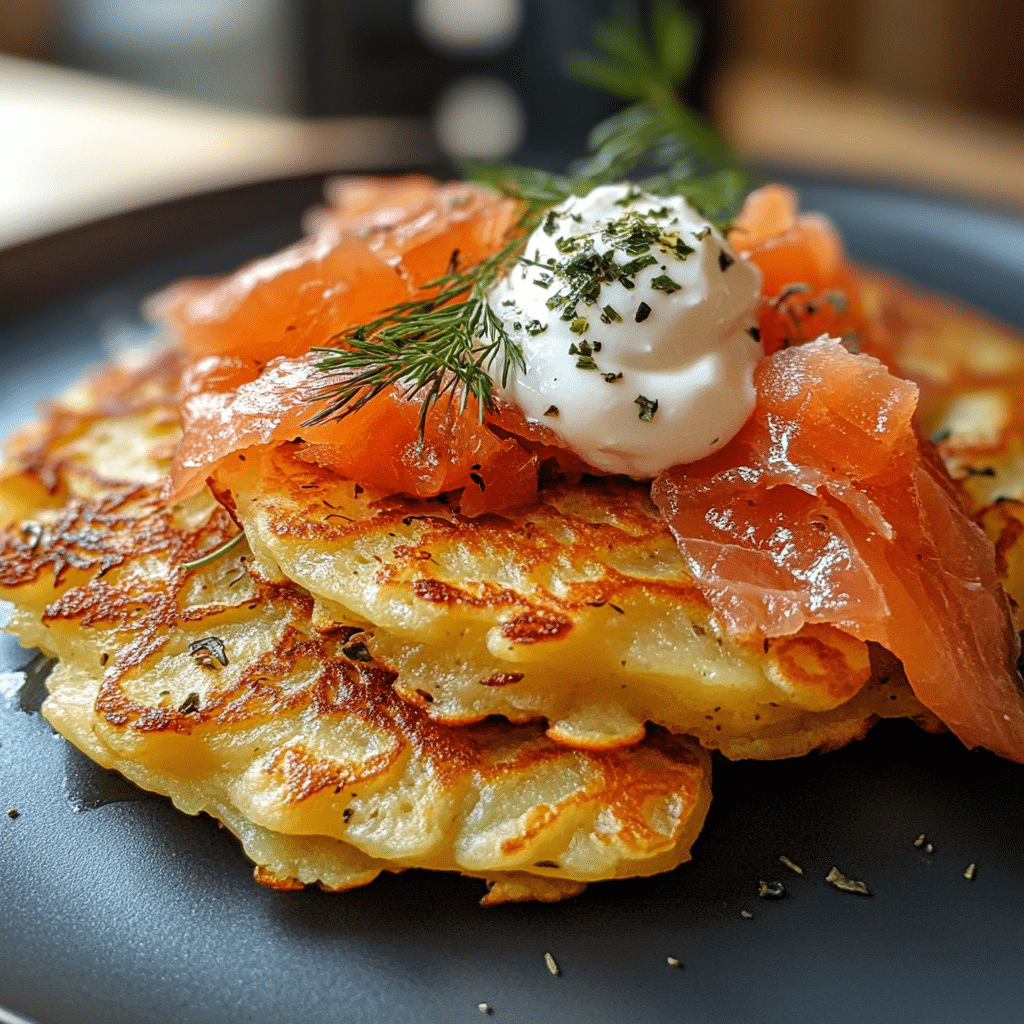
Some regions in Germany also serve Kartoffelpuffer with smoked salmon, herbed quark cheese, or even mushroom sauce, turning this humble dish into a satisfying meal. A drizzle of garlic butter or a spoonful of cranberry compote can also elevate it into something special.
If you’re making a batch for a brunch or dinner party, consider pairing your pancakes with warm soups or fresh salads. Learn more about cozy side options in our Broccoli Potato Cheese Soup, which complements the crispy pancakes perfectly.
Modern Flavor Twists and Serving Ideas
While tradition is wonderful, modern cooks have taken German Potato Pancakes to new creative heights. Many chefs now experiment with global flavors — from spicy aioli and curry dips to loaded pancake stacks topped with bacon and poached eggs.
For a Mediterranean twist, try pairing them with tzatziki or roasted red pepper hummus. Fans of smoky flavors can top pancakes with caramelized onions, roasted vegetables, or even melted Swiss cheese. Vegans often swap the egg for flaxseed and serve their pancakes with cashew cream or avocado spread for a plant-based meal.
You can also play with textures and presentation: stack smaller pancakes for appetizers, cut them into wedges for dipping, or use them as a base for savory toppings like pulled pork or sautéed spinach. Whether classic or creative, the beauty of these pancakes is that they adapt effortlessly to any table or occasion.
Don’t miss our Smashed Fingerling Potatoes for another innovative potato dish that complements these German favorites beautifully.
Quick Pairing Table
| Serving Style | Traditional Pairing | Modern Twist | Flavor Profile |
|---|---|---|---|
| Sweet | Applesauce | Berry compote | Light and tangy |
| Savory | Sour cream | Garlic herb dip | Creamy and balanced |
| Hearty | Smoked salmon | Pulled pork | Rich and savory |
| Light | Salad greens | Avocado mash | Fresh and bright |
FAQs About German Potato Pancakes
What is the difference between German potato pancakes and latkes?
Although both are delicious fried potato patties, German Potato Pancakes (Kartoffelpuffer) and latkes differ in texture, ingredients, and tradition. German Potato Pancakes use finely grated raw potatoes mixed with onion, egg, flour, and salt for a smooth batter and crisp yet tender texture. Latkes, on the other hand, often include matzo meal or breadcrumbs, which make them thicker and more textured.
Culturally, latkes are a traditional Hanukkah food, symbolizing the miracle of oil, while Kartoffelpuffer are everyday German comfort food often enjoyed at street markets or Sunday brunches. Both share the same golden, crispy appeal but tell very different culinary stories.
What do you eat with German potato pancakes?
Traditionally, German Potato Pancakes are served with applesauce or sour cream, offering a perfect balance of crispy, creamy, and sweet flavors. Many people also enjoy them with smoked salmon, herbed quark cheese, or even mushroom gravy for a heartier meal.
At German Christmas markets, these pancakes are often sold fresh from the griddle and paired with a warm drink or savory dip. For something different, try serving them with garlic yogurt sauce or roasted red pepper hummus — both bring a modern twist to this old-world favorite.
If you love pairing ideas, don’t miss our Greek Potato Salad Recipe, another crowd-pleaser that complements crispy potato dishes beautifully.
What are some common mistakes to avoid when making potato pancakes?
The most common mistake when making German Potato Pancakes is skipping the moisture removal step. Wet potatoes lead to soggy, heavy pancakes that never crisp up. Always squeeze grated potatoes in a clean towel to remove excess water.
Other mistakes include frying in oil that’s too cool, which causes greasy pancakes, or too hot, which burns the outside while leaving the inside undercooked. Also, don’t overcrowd your pan — fry in small batches for even browning.
Conclusion
German Potato Pancakes are more than just a side dish — they’re a connection to tradition, family, and the comforting aroma of home cooking. From the bustling Christmas markets of Cologne to Sunday brunch tables across the U.S., these crispy golden pancakes have stood the test of time.
Their simplicity is their magic: just potatoes, onions, and a bit of love can create a dish that’s endlessly adaptable. Whether you serve them sweet with applesauce, savory with smoked salmon, or reinvented with modern twists like spicy aioli, Kartoffelpuffer never fail to bring people together.