If you’re searching for the perfect fluffy pancake recipe, you’re in the right place. Everyone wants thick, soft, golden brown pancakes that rise beautifully and taste like a cozy weekend morning. However, getting that light and airy texture isn’t always as easy as it looks. Sometimes pancakes turn flat, dense, or rubbery — and that’s frustrating. In this complete guide, you’ll learn exactly how to make a fluffy pancake recipe that works every single time. Moreover, we’ll break down the science, ingredients, pro tips, and even the famous 3:2:1 method so you can master homemade pancake batter like a pro. Looking for inspiration? Try our breakfast recipe ideas from UmmyRecipes.
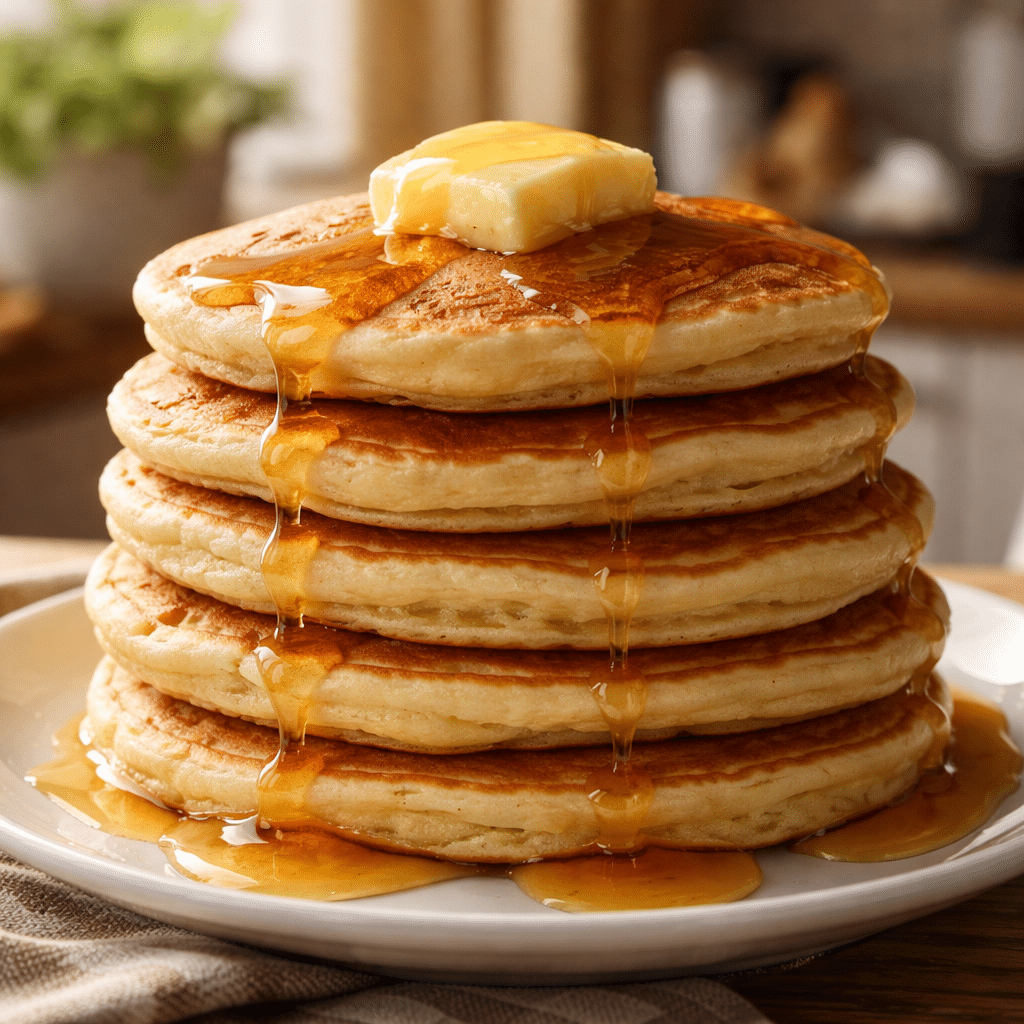
Table of Contents
Why This Fluffy Pancake Recipe Works Every Time
What Makes a Fluffy Pancake Recipe Different from Regular Pancakes
At first glance, all pancake recipes may look the same. Flour, eggs, milk, sugar — simple enough, right? However, a true fluffy pancake recipe focuses heavily on balance and technique. While regular pancakes can turn out thin and flat, fluffy pancakes rely on proper leavening, correct mixing, and careful cooking temperature.
First of all, fluffy pancakes use the right ratio of baking powder to flour. That extra lift creates air pockets inside the batter. As a result, the pancakes rise beautifully when they hit the pan. In contrast, too little leavening leaves them dense, while too much causes them to collapse.
Additionally, texture matters. A fluffy pancake recipe aims for a slightly thick batter consistency. If the batter is too runny, the pancakes spread out and lose height. On the other hand, when the batter is thick but still pourable, it holds shape and creates that classic diner-style pancake look.
Most importantly, the mixing technique separates average pancakes from light and airy pancakes. Overmixing develops gluten, which makes pancakes chewy instead of soft. Therefore, gentle folding is key to achieving that moist pancake texture everyone loves.
The Science Behind Light and Airy Pancakes
Now, let’s talk science — but don’t worry, we’ll keep it simple. The fluffiness in a fluffy pancake recipe comes from tiny air bubbles trapped in the batter. These bubbles expand when heated, which makes the pancakes rise.
Baking powder plays a huge role here. It contains an acid and a base that react when mixed with liquid. Then, when heat is applied, the reaction intensifies and releases carbon dioxide gas. Consequently, those bubbles create lift and structure.
Eggs also contribute to fluffy pancakes. The proteins in eggs help trap air, especially if you whisk them well. Meanwhile, the fat in egg yolks adds richness and keeps the pancakes soft instead of dry.
Furthermore, resting the batter allows the flour to hydrate fully. Because of this, the batter thickens naturally and produces more consistent pancakes. Although many people skip this step, even a short 5–10 minute rest improves texture dramatically.
Temperature also matters more than you think. If the pan is too hot, the outside browns quickly while the inside stays raw. Conversely, if it’s too cool, the pancakes won’t rise properly. Medium heat is usually the sweet spot for thick and fluffy pancakes.
Key Ingredients That Create Extra Fluffiness
Let’s break down the essential ingredients in a successful fluffy pancake recipe and why each one matters.
| Ingredient | Purpose | Why It Helps Make Pancakes Fluffy |
|---|---|---|
| All-purpose flour | Structure | Creates the base of the batter |
| Baking powder | Leavening | Produces air bubbles for lift |
| Eggs | Binding & structure | Traps air and adds richness |
| Milk or buttermilk | Moisture | Activates leavening agents |
| Sugar | Flavor & browning | Helps create golden brown pancakes |
| Butter or oil | Tenderness | Keeps texture soft and moist |
While these ingredients seem basic, the magic happens in the ratio. A well-balanced fluffy pancake recipe ensures the batter isn’t too thick or too thin. Moreover, fresh baking powder is essential. Expired leavening agents simply won’t create enough lift, which leads to flat pancakes.
Another small but powerful tip: sifting dry ingredients introduces extra air into the flour mixture. Because of that, your pancake batter starts lighter before it even hits the pan.
Finally, always measure accurately. Too much flour makes pancakes heavy, whereas too much liquid causes spreading. Therefore, leveling your measuring cups can make a big difference in achieving classic American pancakes with a soft interior and fluffy rise.
Now that you understand why this fluffy pancake recipe works and how each ingredient contributes to light and airy pancakes, we’re ready to move on to the exact ingredients and measurements you’ll need for perfect results.
Ingredients for the Best Fluffy Pancake Recipe
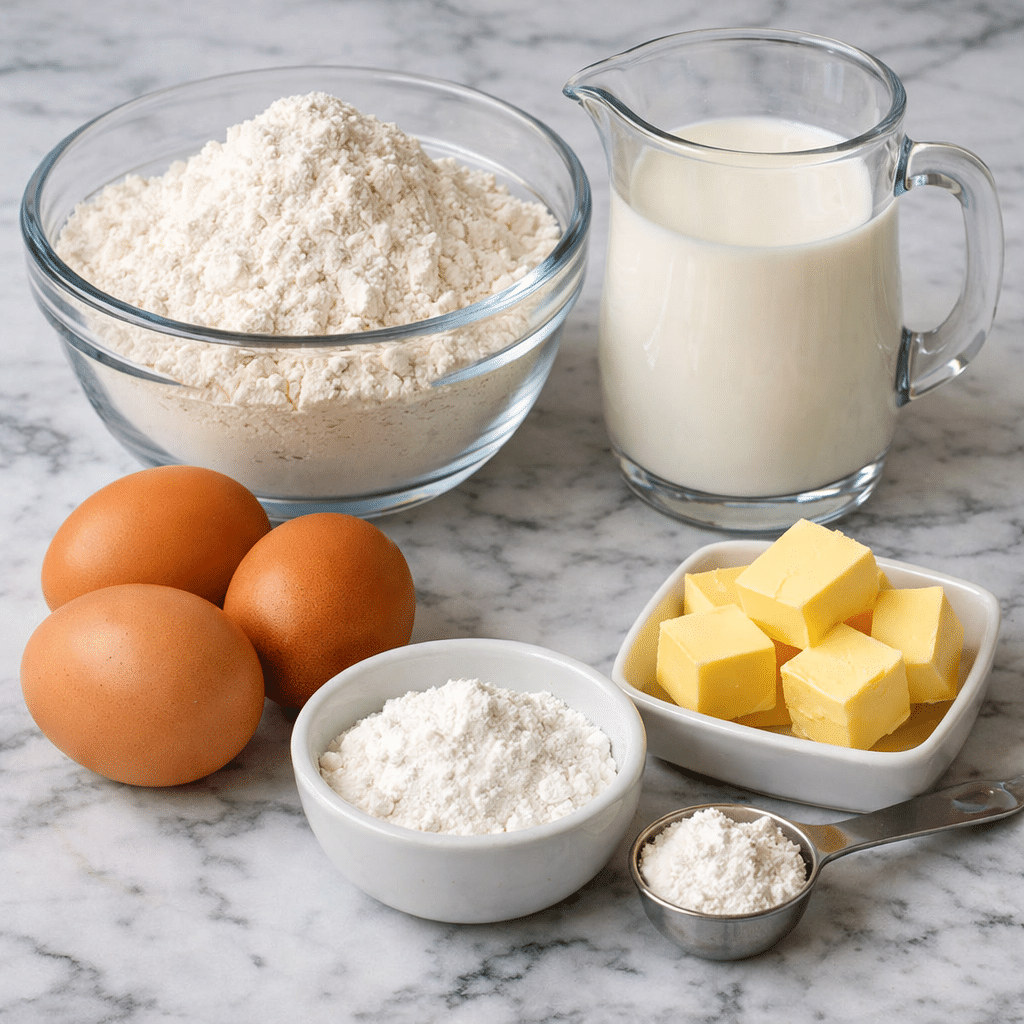
Now that you understand why this fluffy pancake recipe works, let’s talk about the ingredients in detail. After all, even the best cooking technique can’t fix the wrong ingredient balance. Therefore, choosing high-quality pantry staples makes a huge difference in achieving thick and fluffy pancakes every time. Moreover, when you measure correctly and use fresh leavening agents, your homemade pancake batter rises beautifully and creates that soft breakfast pancake texture everyone loves.
Essential Pantry Ingredients for Fluffy Pancakes
First of all, a classic fluffy pancake recipe uses simple ingredients you likely already have at home. However, the key is how they work together.
Here’s the exact ingredient list for perfect light and airy pancakes:
- 2 cups all-purpose flour
- 2 tablespoons sugar
- 1 tablespoon baking powder
- ½ teaspoon salt
- 2 large eggs
- 1¾ cups milk (or buttermilk)
- ¼ cup melted butter (or neutral oil)
- 1 teaspoon vanilla extract
Although this list looks basic, each ingredient plays a specific role. For example, flour provides structure, while baking powder creates lift. Meanwhile, eggs add richness and stability. Additionally, butter improves tenderness and flavor, which makes your fluffy pancake recipe taste like classic American pancakes from a diner.
If you enjoy creative pancake ideas, you might also like our fun variation here: Learn more about bunny-shaped breakfast treats at bunny pancakes for a playful twist on homemade pancakes.
Choosing the Right Flour for Soft Pancakes
Next, let’s discuss flour because not all flour behaves the same. While all-purpose flour works perfectly for most fluffy pancake recipes, you can experiment with alternatives depending on texture preference.
Here’s a quick comparison:
| Flour Type | Texture Result | Best For |
|---|---|---|
| All-purpose flour | Balanced, soft, fluffy | Classic fluffy pancake recipe |
| Cake flour | Extra light & tender | Ultra-soft pancakes |
| Whole wheat flour | Denser, nutty flavor | Healthier breakfast option |
| Gluten-free blend | Slightly delicate | Gluten-free fluffy pancake recipe |
If you want extra soft pancakes, you can replace ¼ of the all-purpose flour with cake flour. As a result, the pancakes become even lighter. However, avoid using only whole wheat flour unless you adjust the liquid, because it absorbs more moisture and can make pancakes heavy.
Therefore, for consistent results, stick to all-purpose flour when following this fluffy pancake recipe.
Baking Powder vs. Baking Soda – Which Makes Pancakes Fluffier?
Now here’s a common question: should you use baking powder or baking soda in a fluffy pancake recipe?
In most cases, baking powder is the main leavening agent. Because it already contains acid, it reacts as soon as it mixes with liquid and again when heated. Consequently, it creates the lift needed for thick and fluffy pancakes.
On the other hand, baking soda requires an acidic ingredient like buttermilk or yogurt. Therefore, if you’re using buttermilk, you can combine a small amount of baking soda with baking powder for extra rise.
Important tip: always check the expiration date on your baking powder. If it’s old, your pancakes will turn flat no matter how perfect your batter looks. A quick freshness test? Add a teaspoon to warm water. If it bubbles immediately, it’s still active.
Milk, Buttermilk, or Yogurt – What’s Best for a Fluffy Pancake Recipe?
Finally, let’s talk about liquids because they dramatically affect texture. While regular milk works well in a standard fluffy pancake recipe, buttermilk adds acidity, which boosts leavening and creates even more tender pancakes.
Here’s how they compare:
- Milk: Classic flavor, reliable fluffiness
- Buttermilk: Extra tender texture and slight tang
- Greek yogurt (thinned with milk): Richer and thicker pancakes
If you don’t have buttermilk, simply add 1 tablespoon of lemon juice or vinegar to 1 cup of milk and let it sit for 5 minutes. As a result, you’ll create a quick buttermilk substitute that enhances your homemade pancake batter.
For savory inspiration, you can also Discover great ideas like crispy variations here: german potato pancakes which show how texture changes with different base ingredients.
Now that your ingredients are perfectly balanced for the ultimate fluffy pancake recipe, we’re ready to move on to the most important part — the step-by-step cooking method that guarantees golden brown, light and airy pancakes.
Print
Fluffy Pancake Recipe – The Ultimate Guide to Perfectly Soft & Airy Pancakes
- Total Time: 25 minutes
- Yield: 4 servings (8 pancakes) 1x
- Diet: Vegetarian
Description
This fluffy pancake recipe creates thick, soft, and airy pancakes using simple pantry ingredients. Perfect for a quick breakfast or weekend brunch.
Ingredients
2 cups all-purpose flour
2 tablespoons granulated sugar
1 tablespoon baking powder
1/2 teaspoon salt
2 large eggs
1 3/4 cups milk (or buttermilk)
1/4 cup melted unsalted butter
1 teaspoon vanilla extract
Instructions
1. In a large bowl, whisk together flour, sugar, baking powder, and salt.
2. In a separate bowl, whisk eggs, milk, melted butter, and vanilla extract.
3. Pour wet ingredients into dry ingredients and gently mix until just combined. Do not overmix.
4. Let the batter rest for 5 to 10 minutes.
5. Heat a non-stick skillet over medium heat and lightly grease it.
6. Pour 1/4 cup batter onto the skillet for each pancake.
7. Cook until bubbles form on the surface, about 2 to 3 minutes.
8. Flip gently and cook another 1 to 2 minutes until golden brown.
9. Serve warm with your favorite toppings.
Notes
Do not overmix the batter to keep pancakes fluffy.
Always use fresh baking powder for best rise.
Cook on medium heat to avoid burning the outside.
Letting the batter rest improves texture.
- Prep Time: 10 minutes
- Cook Time: 15 minutes
- Category: Breakfast
- Method: Stovetop
- Cuisine: American
Nutrition
- Serving Size: 2 pancakes
- Calories: 320
- Sugar: 8g
- Sodium: 420mg
- Fat: 12g
- Saturated Fat: 7g
- Unsaturated Fat: 4g
- Trans Fat: 0g
- Carbohydrates: 42g
- Fiber: 1g
- Protein: 9g
- Cholesterol: 95mg
Step-by-Step Fluffy Pancake Recipe (Beginner-Friendly)
Now that your ingredients are ready, it’s time to bring this fluffy pancake recipe to life. Although pancakes seem simple, technique makes all the difference. Therefore, if you follow these steps carefully, you’ll consistently get thick and fluffy pancakes with a soft interior and golden brown edges. Moreover, each step below prevents the most common pancake mistakes.
How to Mix Pancake Batter Without Overmixing
First, grab two mixing bowls. In the first bowl, whisk together the flour, sugar, baking powder, and salt. Meanwhile, in the second bowl, beat the eggs lightly. Then add the milk (or buttermilk), melted butter, and vanilla extract.
Next, pour the wet ingredients into the dry ingredients. However, do not stir aggressively. Instead, gently fold everything together using a spatula. Stir just until the flour disappears.
Here’s the secret: lumps are okay. In fact, small lumps help create light and airy pancakes. If you overmix, gluten develops, which makes pancakes chewy instead of soft. Therefore, mix less than you think you need.
After mixing, let the batter rest for 5 to 10 minutes. During this time, the flour hydrates fully, and the baking powder begins to activate. As a result, your fluffy pancake recipe produces better rise and texture.
The Perfect Pancake Batter Consistency
Before heating your pan, check your batter. It should be thick but still pourable. If it runs like water, it’s too thin. On the other hand, if it doesn’t spread slightly when poured, it’s too thick.
Use this quick guide:
| Batter Texture | Result |
|---|---|
| Too thin | Flat pancakes |
| Too thick | Dense centers |
| Thick & pourable | Perfect fluffy pancake recipe outcome |
If necessary, add 1 tablespoon of milk at a time to loosen thick batter. Conversely, sprinkle in a small amount of flour if it’s too runny. Small adjustments make a big difference.
Cooking Temperature Tips for Thick and Fluffy Pancakes
Now comes the cooking stage, and temperature matters more than most people realize. First, heat a non-stick skillet or griddle over medium heat. Then lightly grease it with butter or oil.
To test the pan, sprinkle a few drops of water. If they sizzle gently and evaporate, the pan is ready. However, if they disappear instantly, it’s too hot.
Pour about ¼ cup of batter for each pancake. Don’t spread it out. Let it settle naturally. Soon, you’ll see bubbles forming on the surface. Those bubbles mean your fluffy pancake recipe is working exactly as it should.
Cook for about 2 to 3 minutes. Once bubbles appear and the edges look set, flip gently.
How to Flip Pancakes Without Deflating Them
When flipping, slide your spatula fully under the pancake. Then lift and turn in one smooth motion. Avoid pressing down on the pancake after flipping. Although it may feel tempting, pressing squeezes out air and ruins the fluffy texture.
Cook the second side for another 1 to 2 minutes until golden brown. If the outside browns too quickly while the inside remains undercooked, lower the heat slightly.
Repeat with remaining batter, adjusting heat as needed. Soon, you’ll have a stack of thick and fluffy pancakes that look like classic diner-style pancakes.
If you enjoy experimenting with different textures, you can also Check out mashed potato pancakes recipe to see how alternative ingredients change consistency and crispness.
At this point, your fluffy pancake recipe should deliver soft breakfast pancakes with a light interior and beautiful rise. However, to truly master pancakes, you need to understand the deeper secrets behind that extra fluff.
Common Mistakes That Ruin a Fluffy Pancake Recipe
Even the best fluffy pancake recipe can go wrong if small mistakes slip in. Although pancakes seem simple, tiny errors quickly lead to flat, dense, or rubbery results. Therefore, understanding what not to do is just as important as following the correct steps. Let’s break down the most common pancake problems and how to fix them.
Overmixing the Batter
First and most importantly, overmixing is the number one mistake. While it may feel natural to stir until the batter is perfectly smooth, that actually harms your fluffy pancake recipe.
When you mix too much, gluten develops in the flour. As a result, pancakes turn chewy and tough instead of light and airy. Additionally, excessive stirring knocks out the air bubbles created by baking powder.
Solution:
- Mix just until the flour disappears.
- Leave small lumps in the batter.
- Let the batter rest before cooking.
Because gentle folding protects air pockets, your thick and fluffy pancakes will rise beautifully.
Using Expired Baking Powder
Another common issue is old leavening. Although baking powder looks fine sitting in the pantry, it loses strength over time. Consequently, your fluffy pancake recipe may produce flat pancakes even if everything else is correct.
Before cooking, test your baking powder by adding 1 teaspoon to warm water. If it bubbles immediately, it’s still active. If nothing happens, replace it.
Since baking powder is the main lifting agent in homemade pancake batter, freshness is non-negotiable.
Cooking at the Wrong Temperature
Temperature mistakes often go unnoticed. However, they significantly affect pancake texture.
If the pan is too hot:
- The outside browns too fast.
- The inside stays undercooked.
- Pancakes don’t rise properly.
If the pan is too cold:
- Pancakes spread out.
- They turn pale and flat.
Therefore, always use medium heat. Preheat the skillet, then test with a few drops of water. Gentle sizzling means you’re ready. Because consistent heat allows air bubbles to expand gradually, your fluffy pancake recipe achieves the perfect golden brown finish.
Pressing Down on Pancakes While Cooking
It might be tempting to press pancakes with a spatula to “help them cook.” However, this is one of the fastest ways to ruin a fluffy pancake recipe.
Pressing forces out the trapped air that creates thickness. As a result, pancakes become dense and compact.
Instead, let them cook naturally. Flip once bubbles form and edges look set. Then cook the second side without touching them unnecessarily.
Here’s a quick summary table of mistakes and fixes:
| Mistake | Result | Quick Fix |
|---|---|---|
| Overmixing | Tough texture | Mix gently |
| Old baking powder | Flat pancakes | Use fresh leavening |
| High heat | Burnt outside | Cook on medium heat |
| Pressing pancakes | Dense texture | Don’t press after flipping |
By avoiding these common errors, your fluffy pancake recipe will consistently produce soft breakfast pancakes with that classic diner-style rise.
Now that you know what to avoid, it’s time to explore fun and delicious variations that keep this recipe exciting.
Fluffy Pancake Recipe FAQs
What Is the 3:2:1 Method for Pancakes?
The 3:2:1 method is a simple pancake ratio that makes measuring easy. It means:
3 parts flour
2 parts liquid
1 part egg
Because this formula creates a balanced structure, it naturally supports thick and fluffy pancakes. You can scale it up or down depending on how many servings you need.
For example:
1½ cups flour
1 cup milk
1 egg
Then add sugar, baking powder, salt, and butter. As long as you maintain the ratio, your fluffy pancake recipe stays consistent and reliable.
What Is the Secret to Fluffy Pancakes?
The real secret to fluffy pancakes is trapping and protecting air in the batter. While ingredients matter, technique matters just as much.
First, always use fresh baking powder. Because leavening creates air bubbles, inactive baking powder leads to flat pancakes. Second, avoid overmixing. Gentle stirring keeps gluten from developing too much, which ensures soft texture.
Additionally, letting the batter rest helps flour absorb liquid evenly. As a result, pancakes rise more consistently. If you want even more height, separate the eggs and fold whipped egg whites into the batter.
In short, the best fluffy pancake recipe combines balanced ingredients, minimal mixing, rested batter, and steady medium heat.
Looking for more easy recipes? Follow us on Pinterest