Table of Contents
Shrimp Scampi Recipe Basics Explained
What Makes a Classic Shrimp Scampi Recipe Authentic
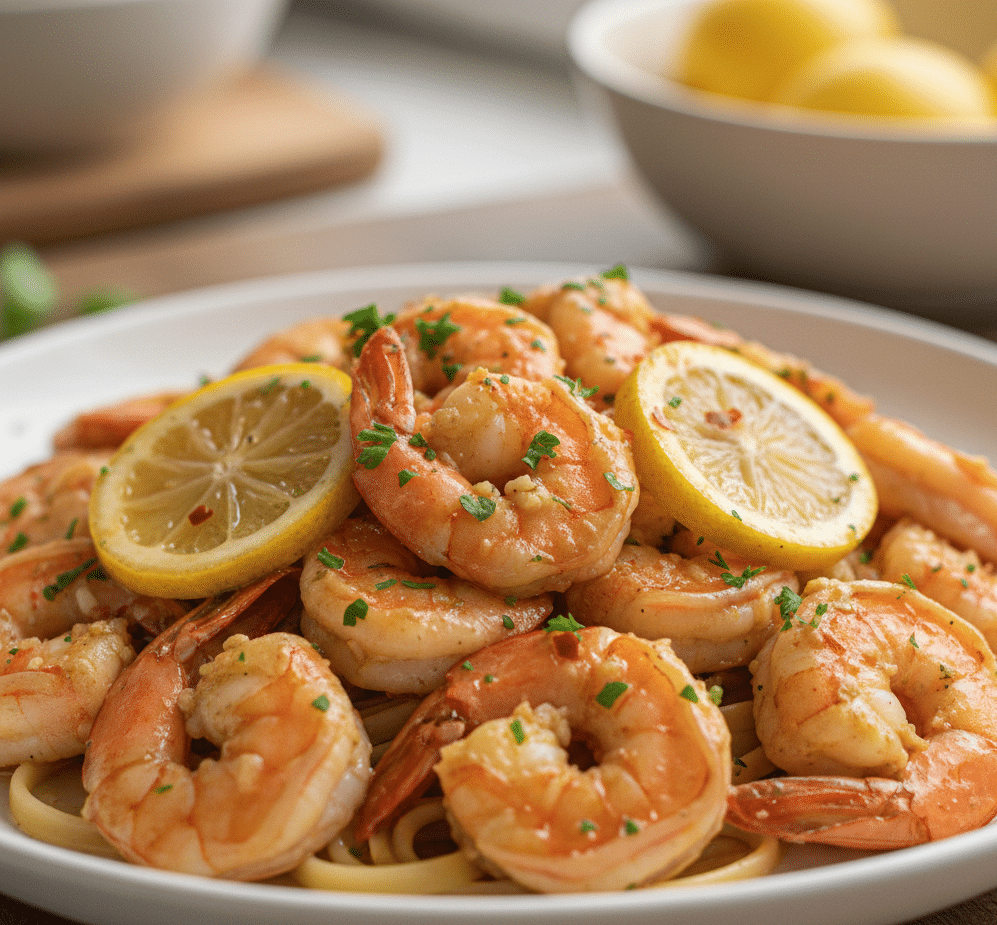
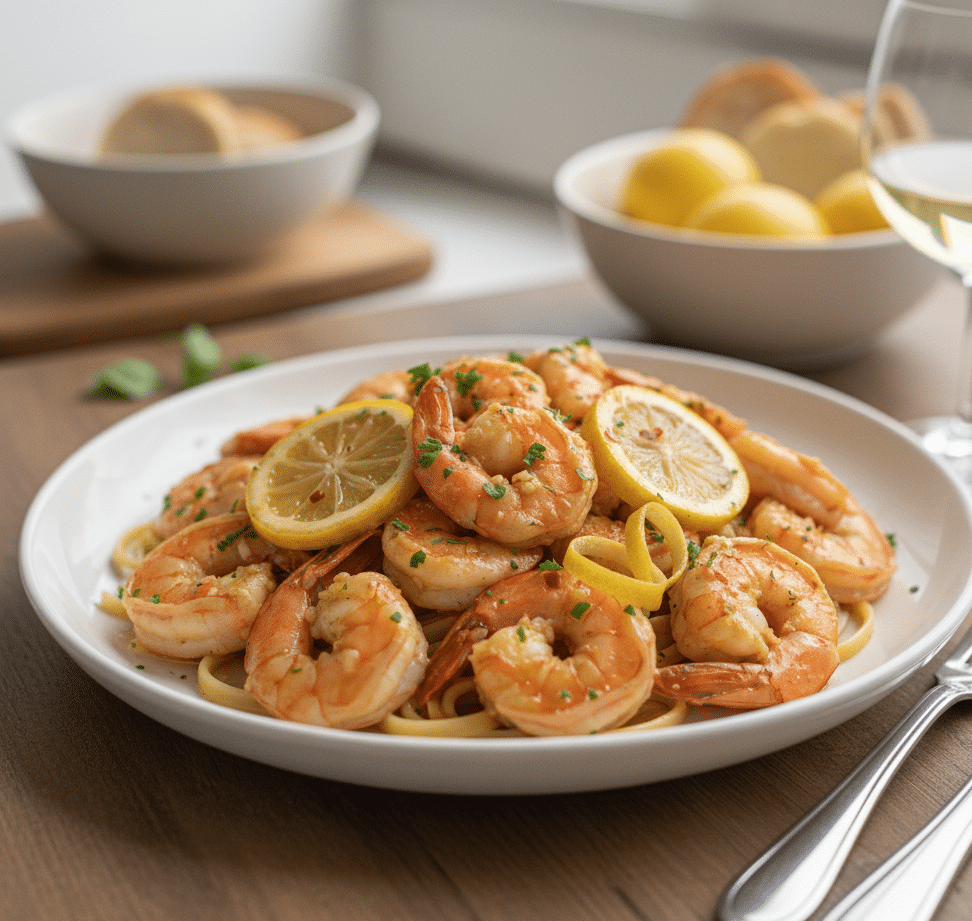
A true shrimp scampi recipe focuses on balance rather than heaviness. Instead of drowning shrimp in butter, classic scampi relies on olive oil, fresh garlic, lemon juice, and a splash of white wine to create a light yet bold sauce. While many modern versions add cream, traditional shrimp scampi keeps the sauce glossy and aromatic, allowing the shrimp to stay front and center. Because shrimp cook quickly, timing matters, and that’s why scampi is known as a fast, high-impact dish.
What sets a great shrimp scampi recipe apart is restraint. You want enough garlic to perfume the oil, enough butter to round out sharp edges, and enough acidity to keep every bite bright. When these elements work together, the sauce coats the shrimp instead of pooling at the bottom of the pan, which makes the dish taste cleaner and more refined.
Why Shrimp Scampi Is a Staple in Italian-American Cooking
Shrimp scampi became popular in the United States because it adapted old Italian techniques to local ingredients. In Italy, “scampi” originally referred to langoustines cooked in olive oil and garlic. However, American cooks swapped in shrimp, which were easier to find and more affordable, and the shrimp scampi recipe quickly took off. Today, it’s a menu favorite because it feels indulgent but cooks in under 20 minutes.
Another reason shrimp scampi remains a staple is versatility. You can serve it over linguine, spoon it onto toasted bread, or pair it with vegetables for a lighter meal. Discover great ideas like pairing shrimp with bold flavors in recipes such as honey garlic shrimp stirfry recipe, which shows how shrimp adapt well to different sauces while still shining.
Ingredients for the Best Shrimp Scampi Recipe
Essential Shrimp Scampi Ingredients You Must Use
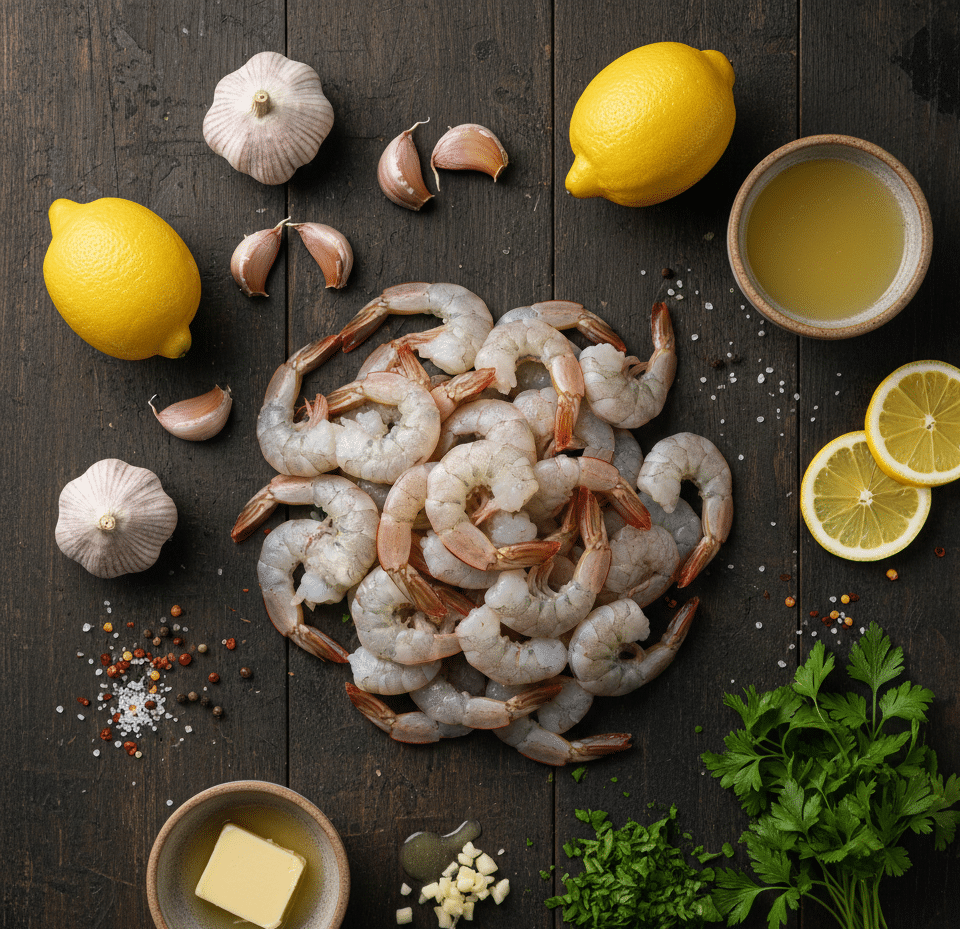
A shrimp scampi recipe succeeds or fails based on ingredient quality, so choosing the right basics matters more than adding extras. First, shrimp are the star, so large or extra-large shrimp work best because they stay juicy and don’t overcook as quickly. Peeled and deveined shrimp save time, yet keeping the tails on adds flavor and a polished look. Because shrimp absorb seasoning fast, freshness makes a noticeable difference in taste and texture.
Garlic is non-negotiable in a shrimp scampi recipe. Fresh cloves, finely minced or thinly sliced, release aroma without bitterness when cooked gently. Olive oil forms the base of the sauce, while butter adds richness and that signature silky finish. Lemon juice cuts through the fat, so every bite tastes bright instead of heavy. Meanwhile, dry white wine deepens flavor, so the sauce tastes layered rather than flat.
Salt and black pepper season the dish simply, yet effectively. Red pepper flakes are optional, although many cooks add them for subtle heat. Fresh parsley finishes the shrimp scampi recipe with color and a clean, herbal note that balances the garlic butter sauce. When these essentials come together, the result tastes classic, clean, and satisfying.
Optional Add-Ins That Enhance Flavor Without Overpowering
While the classic shrimp scampi recipe stays minimal, a few optional ingredients can elevate it without stealing focus. Parmesan cheese adds a savory edge when serving scampi over pasta, yet it should stay light, not clumpy. Shallots offer mild sweetness and pair well with garlic, especially if you want more depth without harsh onion flavor.
Some cooks add chicken broth instead of wine for an alcohol-free version, which keeps the sauce savory while still light. Capers bring a briny pop that works beautifully with lemon, although a little goes a long way. For pasta lovers, a spoon of reserved pasta water helps the sauce cling to noodles, making the shrimp scampi recipe feel restaurant-worthy.
Here’s a quick breakdown to help you decide what to use and what to skip.
| Ingredient Type | Purpose in Shrimp Scampi Recipe | Use or Optional |
|---|---|---|
| Large shrimp | Main protein and texture | Required |
| Garlic | Signature aroma and flavor | Required |
| Olive oil | Sauce base | Required |
| Butter | Richness and gloss | Required |
| Lemon juice | Brightness and balance | Required |
| White wine | Depth and complexity | Optional |
| Red pepper flakes | Gentle heat | Optional |
| Parmesan | Savory finish | Optional |
Because shrimp scampi cooks fast, having ingredients measured and ready keeps the process smooth. Looking for inspiration? Try quick shrimp dinners like easy blackened steak shrimp alfredo recipe to see how shrimp pair with bold sauces in different styles. Also, don’t miss our garlic butter chicken skillet for garlic-forward techniques that translate well to seafood.
Choosing the Right Shrimp for Shrimp Scampi
Fresh vs Frozen Shrimp for Shrimp Scampi
When making a shrimp scampi recipe, many home cooks assume fresh shrimp are always better, yet that isn’t always true. In fact, most “fresh” shrimp at grocery stores were previously frozen, then thawed for display. Because of that, high-quality frozen shrimp often deliver better flavor and texture. Frozen shrimp are processed quickly after harvest, which locks in freshness and reduces mushiness.
If you choose frozen shrimp for your shrimp scampi recipe, thaw them slowly in the refrigerator or under cold running water. Avoid warm water, since it can partially cook the shrimp and ruin the texture. Once thawed, pat them dry well. This step matters because excess moisture prevents proper searing, and shrimp scampi tastes best when shrimp lightly brown before the sauce forms.
Fresh shrimp still work well if you have access to a trusted fish market. Look for shrimp that smell clean, not fishy, and feel firm to the touch. Because shrimp cook so quickly, quality shows up immediately on the plate.
Best Shrimp Size and Preparation Tips
Shrimp size plays a big role in how your shrimp scampi recipe turns out. Large or extra-large shrimp are ideal because they stay juicy and give you more room for error. Smaller shrimp tend to overcook fast, which makes the dish rubbery instead of tender. When shopping, look for counts like 16/20 or 21/25, which indicate fewer shrimp per pound and a larger size.
Preparation also affects flavor. Peeled and deveined shrimp save time, although removing the vein yourself ensures cleanliness. Leaving the tails on adds extra flavor and visual appeal, especially if you serve shrimp scampi for guests. However, tail-off shrimp work better for pasta dishes where convenience matters.
Before cooking, season shrimp lightly with salt and pepper. This early seasoning helps build flavor from the start, so the shrimp scampi recipe tastes layered instead of one-note. For more shrimp prep ideas, check out hot honey fried shrimp to see how shrimp size and coating change texture and taste. You can also discover great ideas like garlic parmesan roasted shrimp quick recipe to compare roasting versus stovetop methods.
How to Make Shrimp Scampi Step by Step
Cooking Shrimp Scampi Without Overcooking Shrimp
A shrimp scampi recipe comes together quickly, so timing is everything. Start by heating olive oil in a wide skillet over medium heat. Once the oil shimmers, add the shrimp in a single layer. Because overcrowding traps steam, cook in batches if needed. Let the shrimp sear briefly without moving them too much, then flip once they turn pink on the edges. This quick sear builds flavor while keeping the inside tender.
Remove the shrimp from the pan as soon as they are just cooked. This step matters because shrimp continue cooking from residual heat. If you leave them in the skillet while building the sauce, they’ll turn rubbery fast. Set them aside and focus on the sauce, knowing they’ll return to the pan only for a short finish.
Garlic goes in next, and here’s where many shrimp scampi recipes go wrong. Lower the heat slightly so the garlic softens and releases aroma without browning. Burnt garlic tastes bitter, and once that happens, the entire dish suffers. Stir constantly, and as soon as the garlic smells fragrant, move on.
Timing Garlic, Butter, and Lemon for Perfect Balance
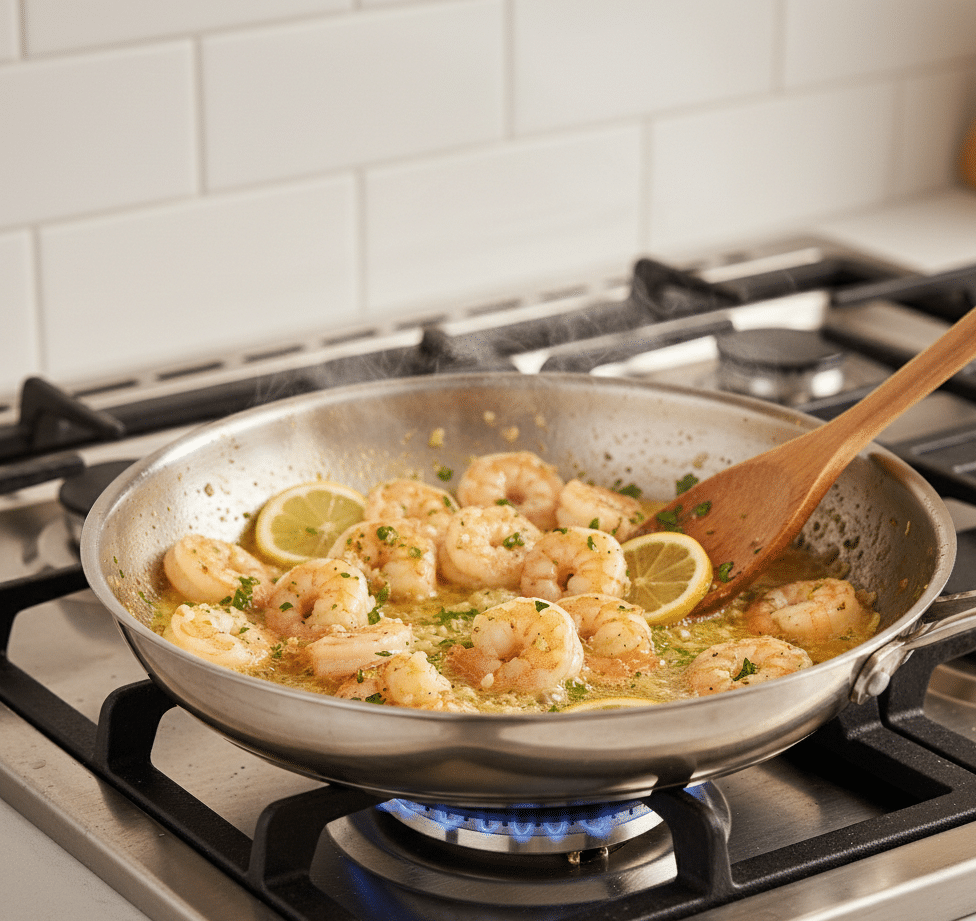
Once the garlic blooms, add white wine or broth to deglaze the pan. This step lifts flavorful bits from the bottom and builds depth. Let the liquid simmer briefly so the alcohol cooks off, then add butter. Stir gently as it melts, creating a glossy shrimp scampi sauce that looks smooth rather than oily.
Lemon juice comes in after the butter melts. Adding it too early dulls the brightness, so timing matters. Taste the sauce at this stage, then adjust salt, pepper, or red pepper flakes as needed. Return the shrimp to the skillet and toss gently so they warm through and soak up the sauce without overcooking.
If you’re serving shrimp scampi with pasta, add a splash of reserved pasta water to help the sauce cling. This simple trick transforms a good shrimp scampi recipe into a great one. For another fast skillet technique, check out garlic italian broccoli soup recipe to see how gentle simmering builds flavor without overcooking. You might also like simple roasted red pepper mediterranean chicken for learning how timing impacts sauce-based dishes.
Print
Shrimp Scampi Recipe That Delivers Bold Garlic-Butter Flavor Every Time
- Total Time: 20 minutes
- Yield: 4 servings 1x
Description
This shrimp scampi recipe features juicy shrimp cooked in a garlic butter sauce with lemon and white wine. It is quick, flavorful, and perfect for an easy weeknight dinner or special occasion.
Ingredients
1 lb large shrimp, peeled and deveined
4 cloves garlic, minced
3 tablespoons olive oil
3 tablespoons unsalted butter
1/4 cup dry white wine
2 tablespoons fresh lemon juice
Salt to taste
Black pepper to taste
Red pepper flakes (optional)
Fresh parsley, chopped
Instructions
1. Heat olive oil in a large skillet over medium heat
2. Season shrimp lightly with salt and pepper and cook for 1 to 2 minutes per side until just pink
3. Remove shrimp from the pan and set aside
4. Lower heat slightly and add garlic, cooking until fragrant
5. Pour in white wine and simmer for 1 to 2 minutes to reduce
6. Add butter and stir until melted and smooth
7. Stir in lemon juice and adjust seasoning
8. Return shrimp to the pan and toss gently to coat
9. Remove from heat and garnish with fresh parsley
Notes
Use large shrimp to avoid overcooking
Add lemon juice at the end to keep flavors bright
Serve immediately for best texture and taste
- Prep Time: 10 minutes
- Cook Time: 10 minutes
- Category: Dinner
- Method: Stovetop
- Cuisine: Italian-American
Nutrition
- Serving Size: 1 serving
- Calories: 320
- Sugar: 2g
- Sodium: 680mg
- Fat: 22g
- Saturated Fat: 8g
- Unsaturated Fat: 12g
- Trans Fat: 0g
- Carbohydrates: 5g
- Fiber: 0g
- Protein: 24g
- Cholesterol: 190mg
Shrimp Scampi Sauce Secrets
What Is the Best Sauce for Shrimp Scampi
The heart of any shrimp scampi recipe is the sauce, and getting it right means understanding balance rather than piling on ingredients. The best shrimp scampi sauce starts with olive oil and butter working together. Olive oil brings fruitiness and keeps the butter from burning, while butter adds richness and that smooth mouthfeel people expect from classic scampi. When these fats combine, the sauce tastes full but not greasy.
Garlic gives the sauce its signature punch, yet it should support the shrimp, not overpower them. White wine adds depth and acidity, which keeps the shrimp scampi recipe from tasting flat. Lemon juice sharpens the flavor right at the end, making the sauce feel fresh and clean. When these elements are layered correctly, the sauce lightly coats the shrimp instead of pooling in the pan.
Seasoning stays simple. Salt enhances natural sweetness in shrimp, while black pepper adds warmth. Red pepper flakes introduce subtle heat, although they remain optional. A great shrimp scampi sauce never tastes heavy or dull, because each component plays a clear role.
How to Balance Butter, Olive Oil, Garlic, and Acidity
Balancing flavors in a shrimp scampi recipe takes attention, yet it’s easier than it sounds. Start with more olive oil than butter at first, then finish with butter to round out the sauce. This method keeps the dish lighter while still delivering richness. Because garlic burns easily, add it after the oil heats but before butter melts fully, which protects its flavor.
Acidity is the final key. Lemon juice and white wine both brighten the sauce, yet adding too much can overpower the shrimp. Taste as you go, and add acid in small amounts. If the sauce feels sharp, another knob of butter smooths it out. If it tastes dull, a squeeze of lemon wakes everything up.
Professional cooks often rely on this push-and-pull technique, adjusting fat and acid until the shrimp scampi recipe tastes balanced. If you enjoy sauces built on garlic and butter, check out olive garden ravioli carbonara recipe for another example of how fat and seasoning work together. You may also like creamy mushroom ravioli sauce for learning how sauce texture changes with heat and timing.
Common Shrimp Scampi Mistakes to Avoid
Errors That Make Shrimp Scampi Greasy or Bland
Even a simple shrimp scampi recipe can fall flat if a few common mistakes sneak in. One of the biggest errors is using too much butter without enough olive oil or acid. While butter adds richness, relying on it alone makes the sauce heavy and oily. That’s why balancing fat with lemon juice or wine keeps the shrimp scampi recipe tasting fresh instead of greasy.
Another mistake is overcrowding the pan. When shrimp sit too close together, they steam rather than sear. As a result, the shrimp release water, which dilutes the sauce and dulls flavor. Cooking shrimp in batches may take a minute longer, yet it dramatically improves texture and taste.
Under-seasoning also causes problems. Shrimp are naturally sweet, but without enough salt, the dish tastes flat. Season lightly at multiple stages instead of dumping salt at the end. This layering approach builds flavor gradually and keeps the shrimp scampi recipe well balanced.
How to Fix Broken or Oily Scampi Sauce
Sometimes the sauce separates, looking slick instead of silky. When that happens, don’t panic. Lower the heat immediately, because high heat causes butter to break. Adding a splash of pasta water or broth helps re-emulsify the sauce and bring it back together.
Burnt garlic is another issue that’s hard to ignore. If garlic turns brown, it tastes bitter, and unfortunately, it can’t be saved. In that case, it’s best to start over rather than masking the flavor. Keeping heat moderate and stirring constantly prevents this mistake in the first place.
Overcooked shrimp remain the most common problem. Shrimp curl tightly and turn rubbery when cooked too long. To avoid this, remove shrimp early and return them to the pan only at the end. For more tips on managing heat and timing, check out air fryer salmon and vegetables, which shows how precise cooking keeps seafood tender. You might also discover helpful techniques in creamy fish on potato gratin dinner for balancing sauce and protein without overcooking.
Shrimp Scampi FAQs
What Are the Ingredients for Shrimp Scampi?
A classic shrimp scampi recipe uses large shrimp, garlic, olive oil, butter, lemon juice, and salt. Many versions also include white wine for depth and parsley for a fresh finish. Optional ingredients like red pepper flakes or Parmesan cheese can enhance flavor, yet they should never overpower the shrimp. Because the ingredient list stays short, quality matters, and fresh garlic and good olive oil make a noticeable difference.
What Is the Best Sauce for Shrimp Scampi?
The best sauce for shrimp scampi combines olive oil, butter, garlic, white wine, and lemon juice. This balance creates richness without heaviness. Olive oil keeps the butter from burning, while lemon juice and wine add brightness. A good shrimp scampi recipe tastes clean and bold, not oily or bland.
Final Thoughts on This Shrimp Scampi Recipe
A shrimp scampi recipe proves that simple ingredients can deliver big flavor when handled correctly. By choosing quality shrimp, balancing butter with olive oil, and respecting timing, you can create a dish that feels elegant yet approachable. Whether served over pasta, rice, or vegetables, shrimp scampi fits weeknight dinners and special occasions alike. Don’t miss our garlic parmesan roasted shrimp quick recipe if you want another quick seafood option packed with garlic flavor.
Looking for more easy recipes? Follow us on Pinterest