I was eight months pregnant with my daughter Emma when my mother-in-law pressed a warm mug into my hands and told me to just drink it. I didn’t ask what it was. I just drank. Within twenty minutes, the bloating that had made me miserable all afternoon was noticeably better. That was my first cup of ginger-fennel tummy tea, and honestly, I’ve been making it ever since — pregnant or not.
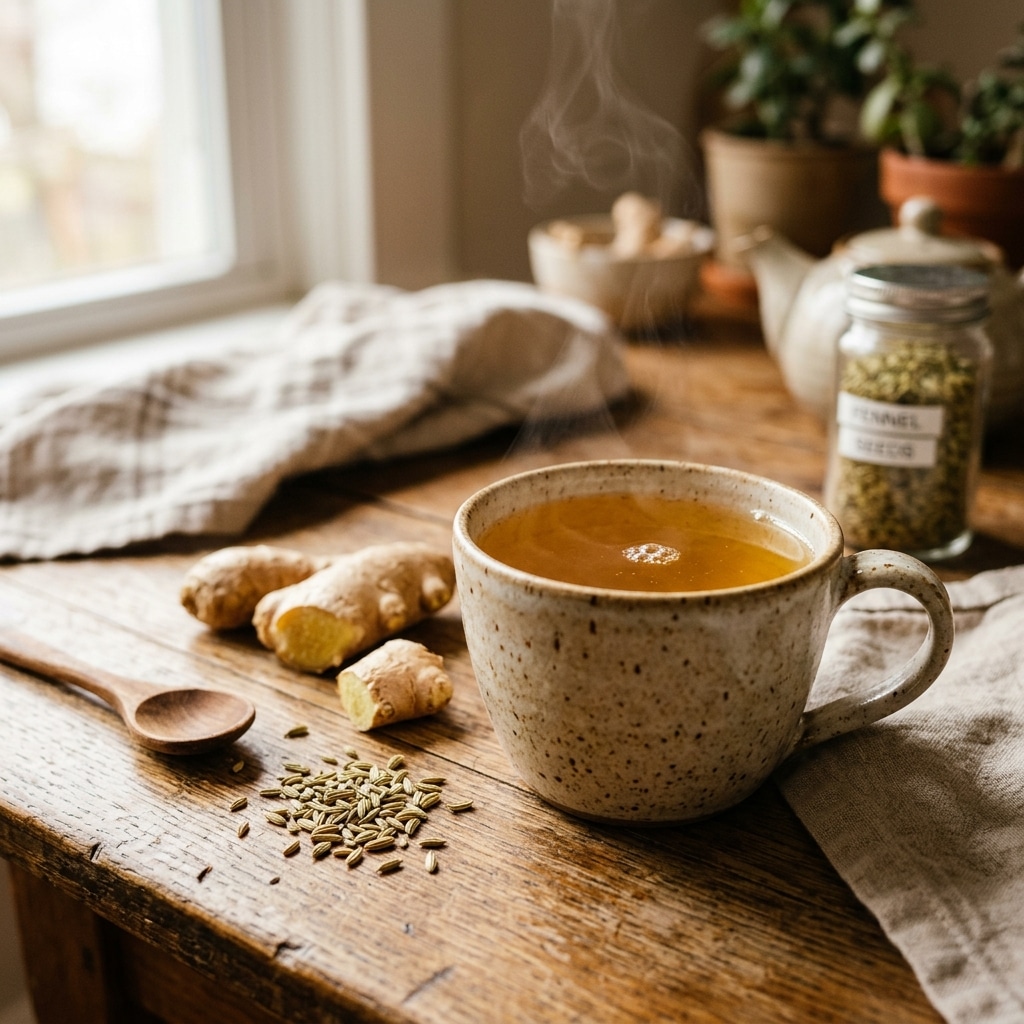
This recipe is the one I’ve settled on after years of tweaking ratios and trying different steeping methods. I’ll walk you through exactly how I make it, why it works, what to expect from it, and how to adjust it for your own stomach’s needs.
Table of Contents
Why This Ginger-Fennel Tea Actually Works on Your Stomach
The Ingredient That Makes the Difference
Most people who make a stomach-soothing tea reach for ginger alone. That’s not wrong — ginger is genuinely powerful. But fennel seeds are the ingredient that changes everything here. Fennel contains a compound called anethole, which relaxes the smooth muscle of the digestive tract. That’s why it’s been used across Mediterranean and South Asian kitchens for centuries as an after-dinner digestive.
When I first started experimenting, I used pre-ground fennel powder from a spice jar. It tasted flat and a little dusty. Whole fennel seeds, lightly crushed right before steeping, release their oils differently — the flavor is brighter and the effect feels more immediate.
The Technique Most People Get Wrong
The biggest mistake I see — and the one I made myself for the first two years — is boiling the fennel seeds with the ginger from the start. Ginger can handle a rolling simmer. Fennel can’t. Overheating fennel seeds makes them bitter and kills the delicate volatile oils that do most of the digestive work.
My method now: simmer the fresh ginger in water for 8 minutes first, then remove from heat, add the crushed fennel seeds, and steep covered for another 5 minutes. That covered steeping is non-negotiable. Leaving the lid off lets the aromatic steam escape, and that steam carries a lot of the therapeutic compounds you’re trying to keep in the mug.
If you enjoy other herbal teas for digestive support, my lemon ginger tea for immune support follows a similar principle of gentle extraction over aggressive boiling.
Ingredients & Preparation
Full Ingredient List With Substitution Notes
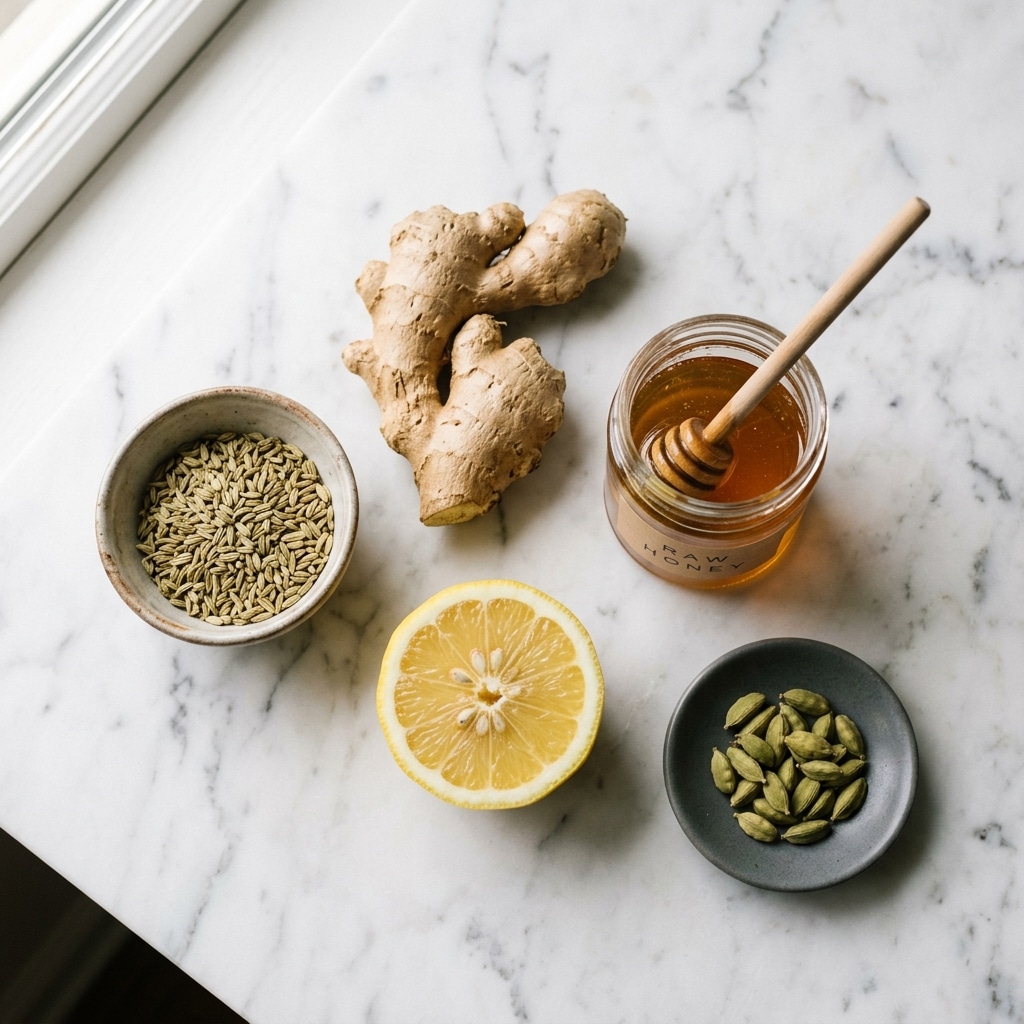
Here’s what goes into one serving of ginger-fennel tummy tea. I usually double this because my husband has started stealing sips.
- 1 teaspoon whole fennel seeds — Lightly crushed with the flat of a knife or in a mortar. Don’t skip the crushing step. Dried fennel tea bags will work in a pinch, but the fresh seed flavor is noticeably better.
- 1-inch piece of fresh ginger — Sliced thin, no need to peel. The skin doesn’t affect flavor or safety. If you only have ground ginger, use ¼ teaspoon, but fresh is genuinely worth it.
- 1½ cups cold filtered water — Starting with cold water gives you more control over the temperature climb.
- 1 teaspoon raw honey — Optional, added after straining, never during cooking (heat kills beneficial enzymes). Maple syrup works if you avoid honey.
- A squeeze of fresh lemon — About half a teaspoon. This brightens the whole flavor and adds a little vitamin C. Entirely optional but I almost always add it.
- Pinch of cardamom — My personal addition. Not traditional, but it rounds out the fennel beautifully and settles my nausea faster than fennel alone.
| Ingredient | Fresh Version | Substitute |
|---|---|---|
| Ginger | 1-inch fresh root, sliced | ¼ tsp ground ginger |
| Fennel | 1 tsp whole seeds, crushed | 1 fennel tea bag |
| Sweetener | 1 tsp raw honey | Maple syrup or skip entirely |
| Acid | Fresh lemon squeeze | Apple cider vinegar (¼ tsp) |
Step-by-Step Preparation Before Cooking
Before you even turn on the stove, crush your fennel seeds. I use the side of my chef’s knife and press down firmly — you want them cracked open, not ground into powder. Set those aside.
Slice your ginger about as thick as a quarter. No need to be precise. I usually do five or six coins from the root. If you have a stubby knob of ginger that’s been sitting in your fridge a while, that’s completely fine — slightly dried-out ginger still has plenty of kick.
Have your honey and lemon measured and ready near the stove. You’ll be adding them after the heat is off, and having them at hand means you won’t rush the steeping.
Cooking Instructions
The Cooking Process Step by Step
- Add 1½ cups cold water and your ginger slices to a small saucepan. Bring to a gentle simmer — you want small bubbles, not a full rolling boil. Once you hit that simmer, set a timer for 8 minutes.
- After 8 minutes, take the pan completely off the heat. Add your crushed fennel seeds and the pinch of cardamom if you’re using it.
- Put a lid on the saucepan immediately. Steep for 5 full minutes. Don’t lift the lid, don’t stir, just let it sit.
- Strain into your mug through a fine mesh strainer. Press the ginger and fennel lightly with a spoon to get the last of the liquid out.
- Add honey now, while the tea is still warm enough to dissolve it. Squeeze in your lemon. Stir gently and drink while hot.
I’ve been making this long enough to know that the five-minute covered steep feels like overkill — it isn’t. The first time I skipped it, the tea tasted thin and the fennel flavor hadn’t fully developed.
How to Know When It’s Done Perfectly
The finished tea should be a pale golden-amber color, not dark brown. Dark means the ginger simmered too long at too high a heat and you’re getting more spice than benefit. The smell should be warm and slightly licorice-forward, with ginger underneath — if the ginger is the dominant smell, the fennel seeds weren’t fresh enough or weren’t crushed.
Taste it before adding honey. There should be a very slight natural sweetness from the fennel already there. If it tastes harsh or bitter, your heat was too high during the fennel steep — next time, let the water cool for 90 seconds before adding the seeds.
For anyone who loves tea with a warming spice complexity, my Sanjay Gupta chai tea recipe uses a similar layered spice technique that’s worth trying on days when you want something a little more robust.
Serving, Storage & Variations
How to Serve It and What to Pair It With
Drink this tea on an empty stomach or 20–30 minutes after a heavy meal — those are the two windows where I’ve felt it work most noticeably. Sipping it with food dilutes the digestive effect.
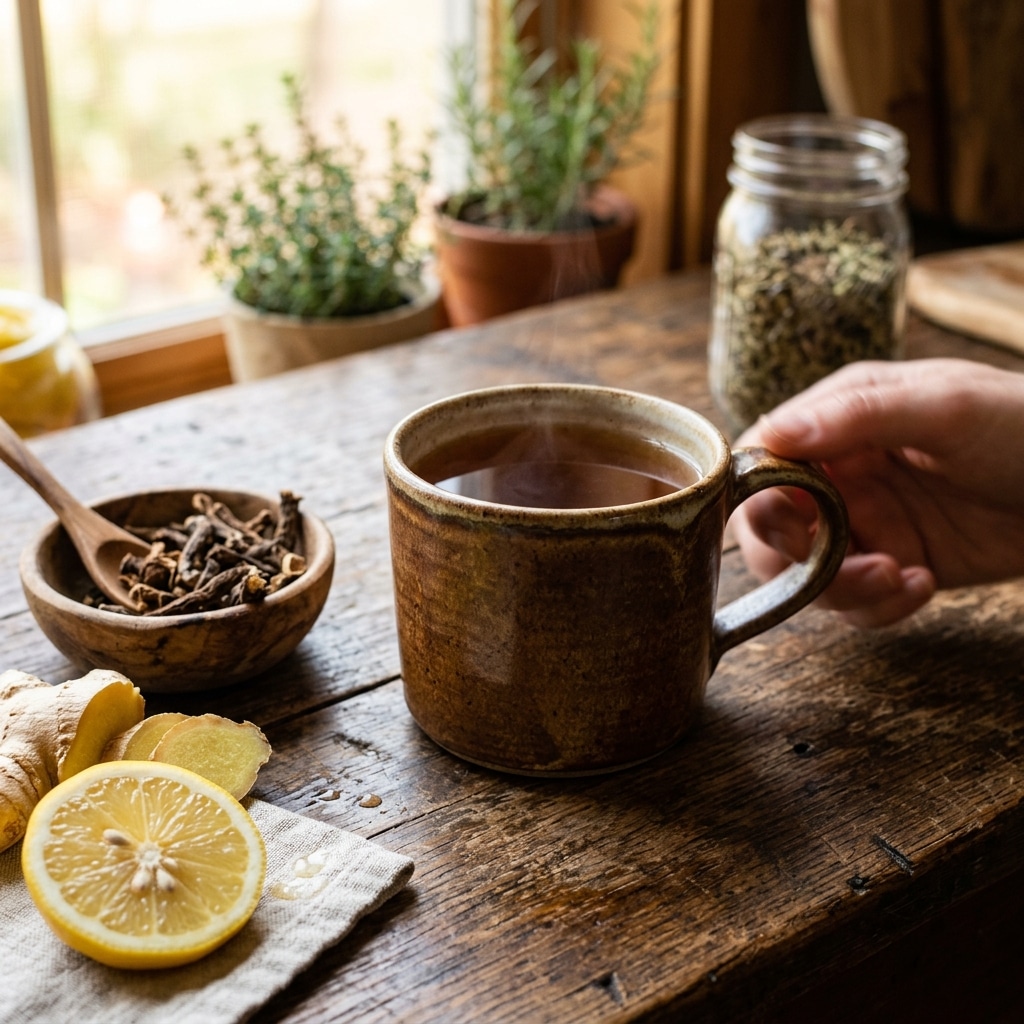
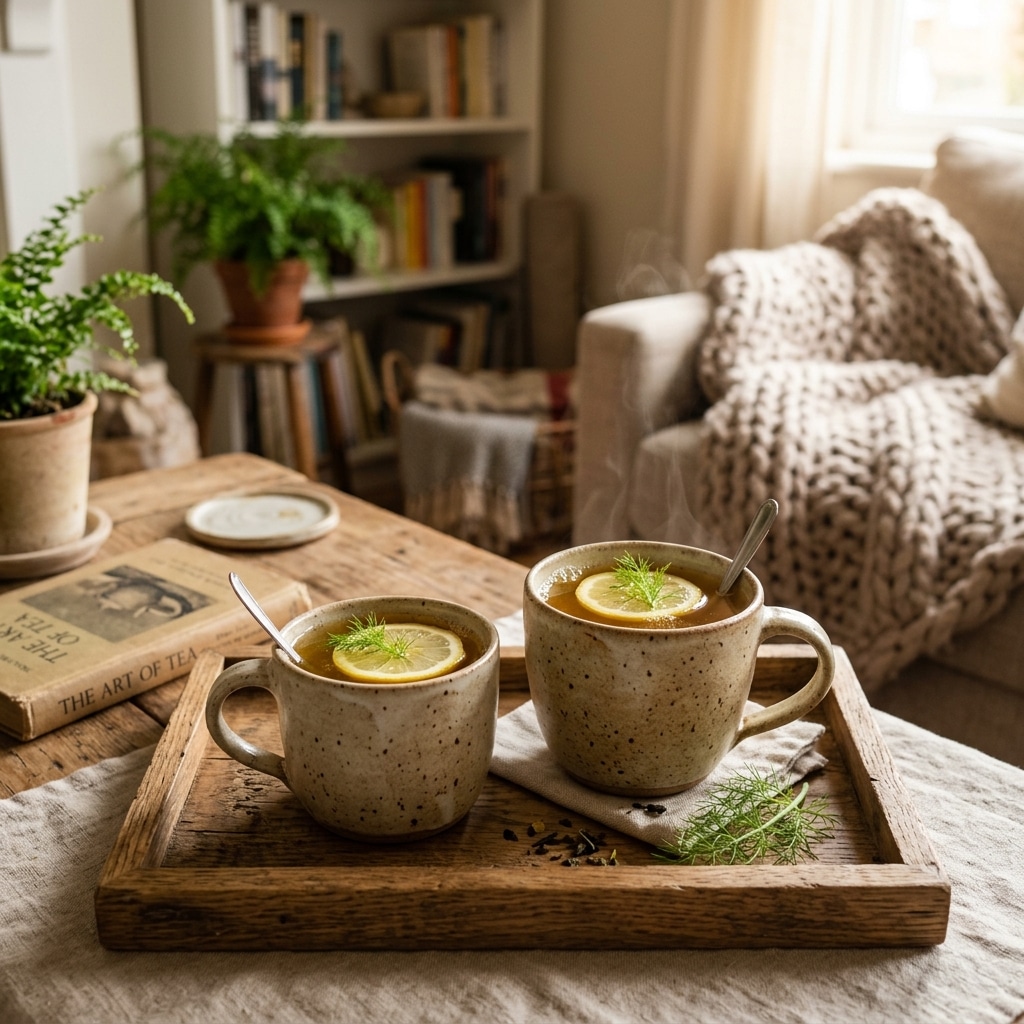
I serve it in a wide ceramic mug, not a tall narrow one. The wide opening lets the aromatics hit you before you even sip, and honestly that’s part of what makes it feel therapeutic. A thin slice of lemon floating on top looks nice if you’re making it for someone else.
This tea doesn’t pair well with dairy right next to it — the milk protein interacts weirdly with fennel and can actually increase bloating rather than reduce it. If you want a creamy tea afterward, wait an hour and try something like my vanilla cinnamon milk tea as a gentler, comforting follow-up.
Storage Tips and Variations Worth Trying
You can make a larger batch and store it in the fridge for up to 48 hours in a sealed jar. Reheat gently on the stove — don’t microwave it, the uneven heat does something odd to the flavor. I’ve never made it more than two days ahead; after that the ginger gets a little too pungent for me.
Variations I’ve actually tested:
- Peppermint addition: Add 4–5 fresh mint leaves during the fennel steep. Better for IBS-type discomfort specifically.
- Turmeric version: Add ¼ teaspoon turmeric with the ginger. Earthier flavor, good anti-inflammatory addition. Pairs well with black pepper (a pinch).
- Iced version: Double the recipe, steep as usual, strain over a large glass of ice. Surprisingly good in summer. Add extra lemon.
- Weight loss focus: Skip the honey entirely and add a cinnamon stick during the ginger simmer phase — this combination is close to what I use in my cinnamon weight loss tea and it keeps the tea flavorful without any added sugar.
According to research published through USDA nutritional databases, fennel seeds provide trace amounts of calcium, magnesium, and iron alongside their volatile oils — meaning this tea isn’t just comfort, it’s delivering small but real micronutrients. Healthline’s review of fennel tea benefits also confirms the evidence base for its digestive effects, which is reassuring when I’m recommending this to friends.
Frequently Asked Questions
What is fennel and ginger tea good for?
The combination is specifically good for bloating, gas, nausea, indigestion, and that heavy, uncomfortable feeling after a big meal. Ginger addresses nausea and speeds gastric emptying; fennel addresses the muscle tension and gas buildup. Together they cover most common stomach complaints in one cup.
What does fennel tea do for the stomach?
Fennel’s main compound, anethole, relaxes the smooth muscle lining of your digestive tract. This helps release trapped gas, reduce bloating, and calm cramping. It’s been used as a digestive aid across Mediterranean and South Asian cooking traditions for centuries — and the modern science largely backs up what those home cooks knew intuitively.
How do you make fennel and ginger tea for weight loss?
Use this same recipe but skip the honey and add a cinnamon stick during the ginger simmer. Drink one cup on an empty stomach in the morning. The combination supports digestion and may reduce water retention-related bloating — but it works best as part of a broader approach, not as a standalone fix.
Can I drink fennel water during periods?
Yes, and many women find it genuinely helpful. Fennel has mild antispasmodic properties that may ease cramping. I’ve drunk this tea during my period for years without any issues. That said, very large amounts of fennel aren’t recommended during pregnancy in early stages, so keep it to one or two cups if that applies to you.
Make It Tonight — You’ll Feel Better By Morning
This ginger-fennel tummy tea has been my go-to for over a decade now. I’ve made it for myself after holiday dinners, for my kids when they had upset stomachs, and for friends who texted me at 10pm asking what to do about bloating. Every single time, the feedback is the same: “That actually worked.”
The recipe is simple enough to memorize after one or two tries. Once you have crushed fennel seeds and fresh ginger in your kitchen — which I keep stocked year-round — you’re fifteen minutes away from real relief.
Make a cup tonight and see how your stomach feels. Then come back and let me know in the comments.
Print
Ginger-Fennel Tummy Tea That Actually Calms Your Stomach
- Total Time: 18 minutes
- Yield: 1 serving 1x
Description
A soothing homemade ginger-fennel tummy tea that relieves bloating, gas, and nausea using whole fennel seeds, fresh ginger, raw honey, and lemon. Ready in under 20 minutes.
Ingredients
1 teaspoon whole fennel seeds, lightly crushed
1-inch piece fresh ginger, sliced thin
1½ cups cold filtered water
1 teaspoon raw honey (added after steeping)
½ teaspoon fresh lemon juice
Pinch of ground cardamom (optional)
Instructions
1. Add 1½ cups cold water and sliced ginger to a small saucepan. Bring to a gentle simmer and cook for 8 minutes.
2. Remove pan completely from heat. Add crushed fennel seeds and optional cardamom.
3. Cover immediately with a lid and steep for 5 full minutes. Do not lift the lid.
4. Strain into a mug through a fine mesh strainer, pressing ginger and fennel lightly.
5. Stir in raw honey and fresh lemon juice while still warm. Serve immediately.
Notes
Use whole fennel seeds and crush them yourself — pre-ground fennel loses its volatile oils quickly.
Do not boil the fennel seeds; add them only after removing from heat.
Drink on an empty stomach or 20–30 minutes after a heavy meal for best results.
Store extra tea in the fridge for up to 48 hours. Reheat gently on the stovetop, not in a microwave.
- Prep Time: 5 minutes
- Cook Time: 13 minutes
- Category: Beverage
- Method: Stovetop
- Cuisine: American
Nutrition
- Serving Size: 1 mug (approximately 10 oz)
- Calories: 25
- Sugar: 5g
- Sodium: 5mg
- Fat: 0g
- Saturated Fat: 0g
- Unsaturated Fat: 0g
- Trans Fat: 0g
- Carbohydrates: 6g
- Fiber: 0g
- Protein: 0g
- Cholesterol: 0mg