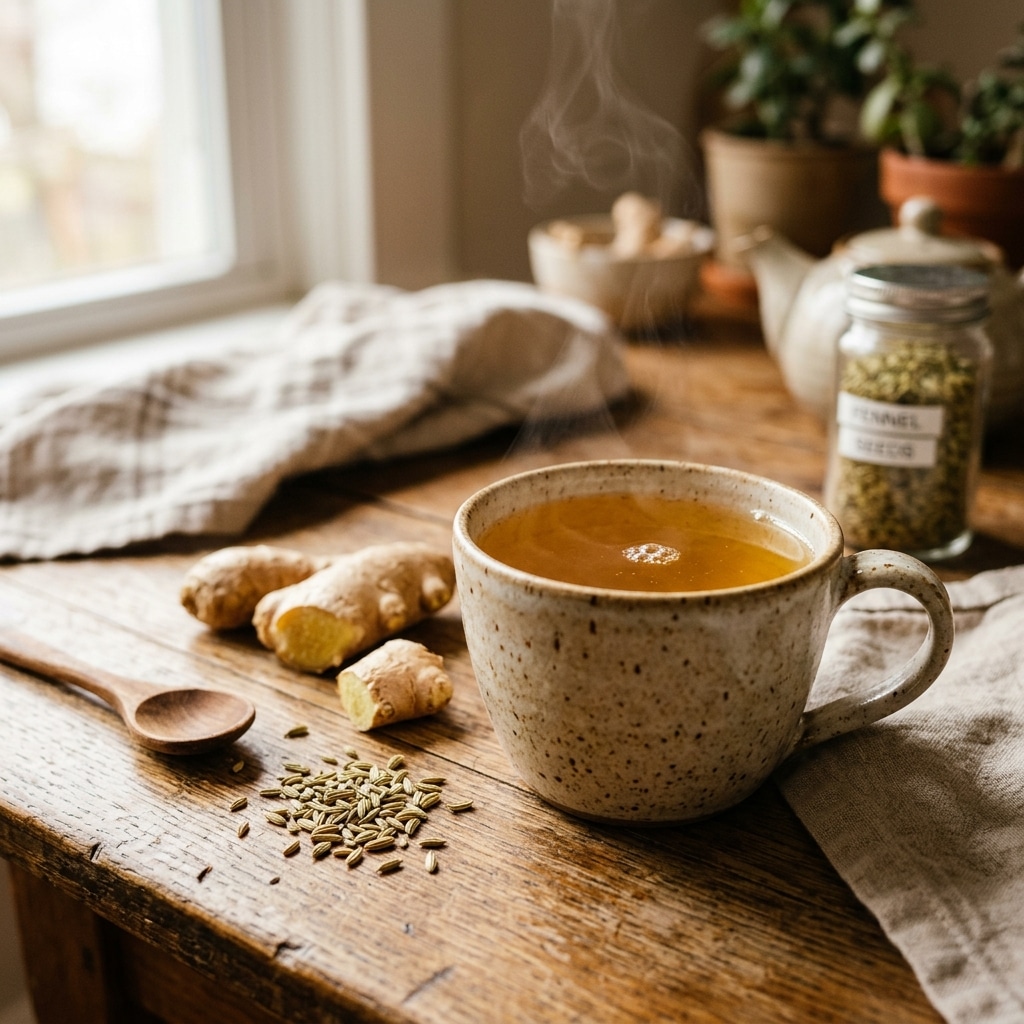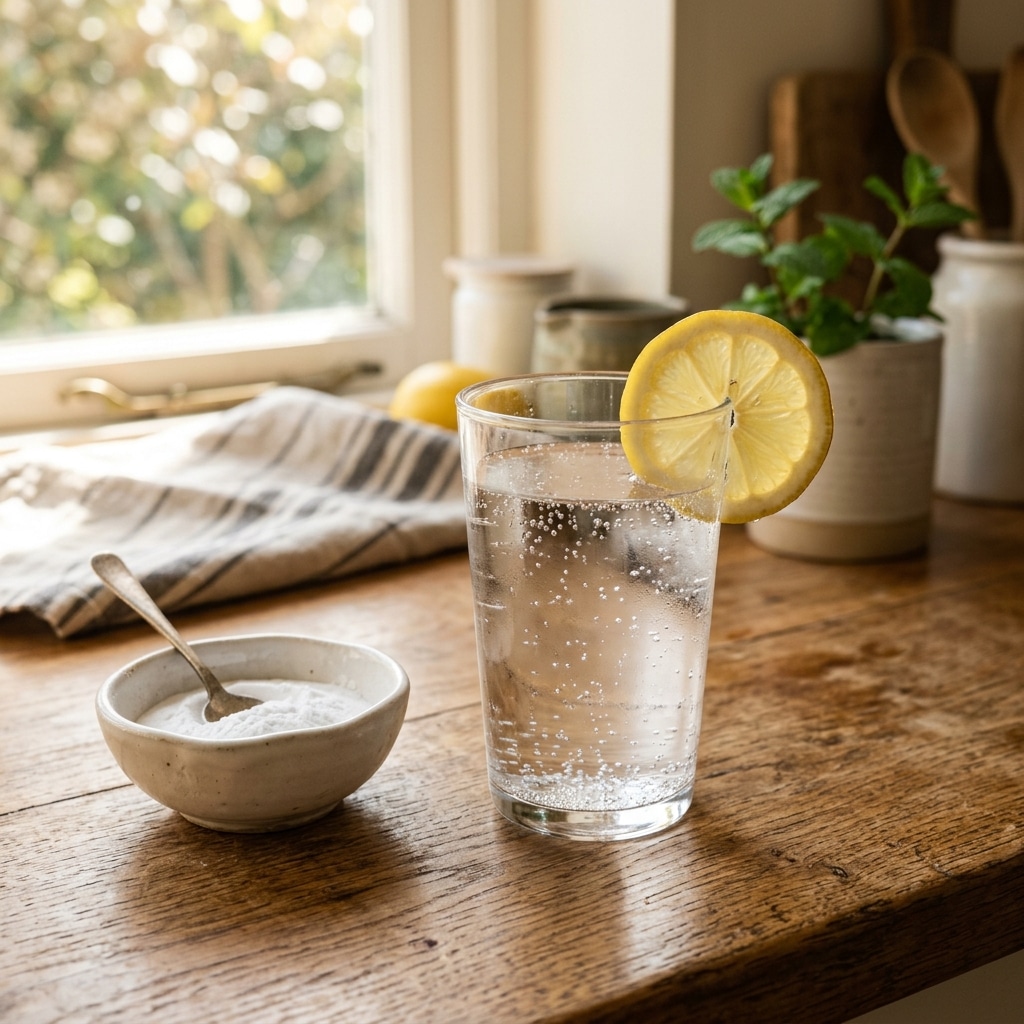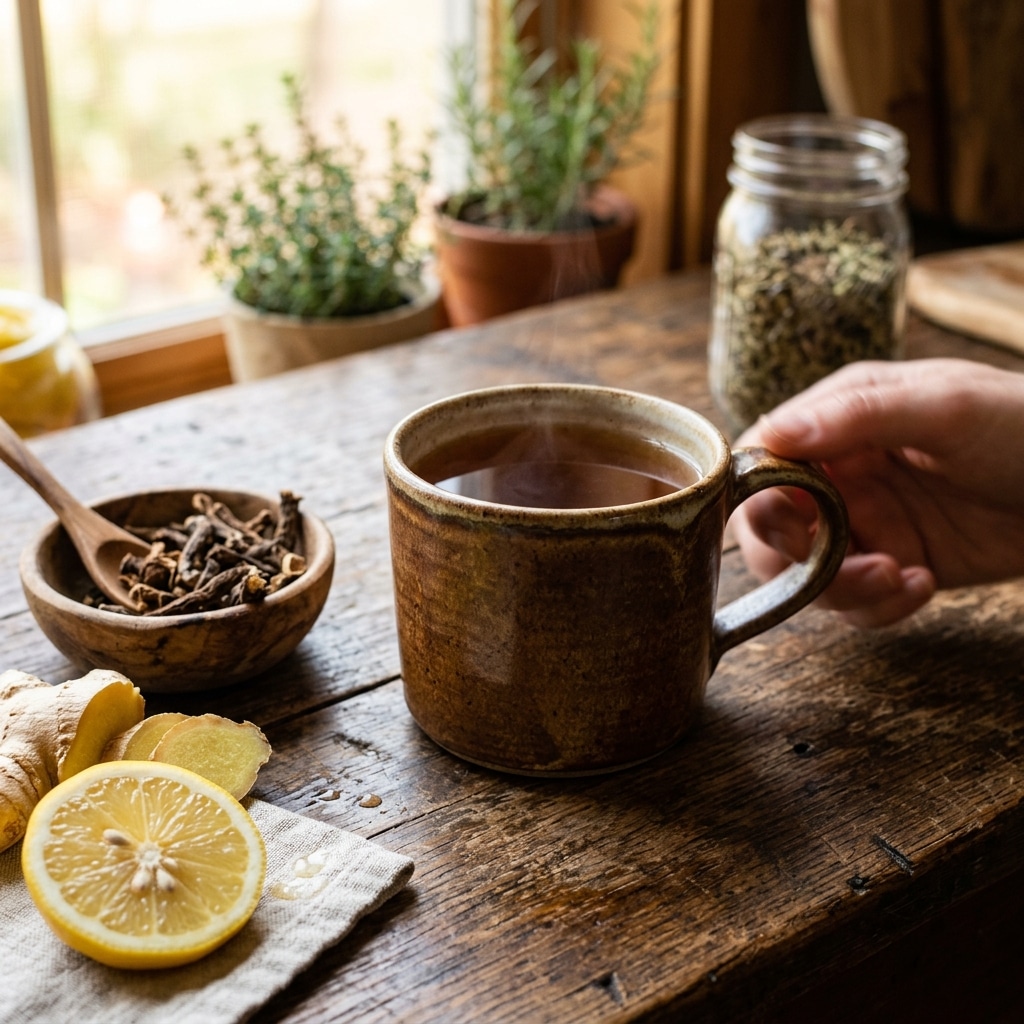
I first heard about the horse gelatin trick from my neighbor Diane, who’s been dealing with stiff knees for years. She showed up at my door one morning holding a little packet of unflavored gelatin, completely convinced it was going to change her life. I was skeptical — honestly, I thought she’d been down one too many wellness rabbit holes. But I tried it with her, tweaked the formula over a few weeks, and now it’s part of my morning routine. This article gives you the exact recipe I use, the ratio that works, the mistakes I made early on, and everything you need to know to try it yourself.
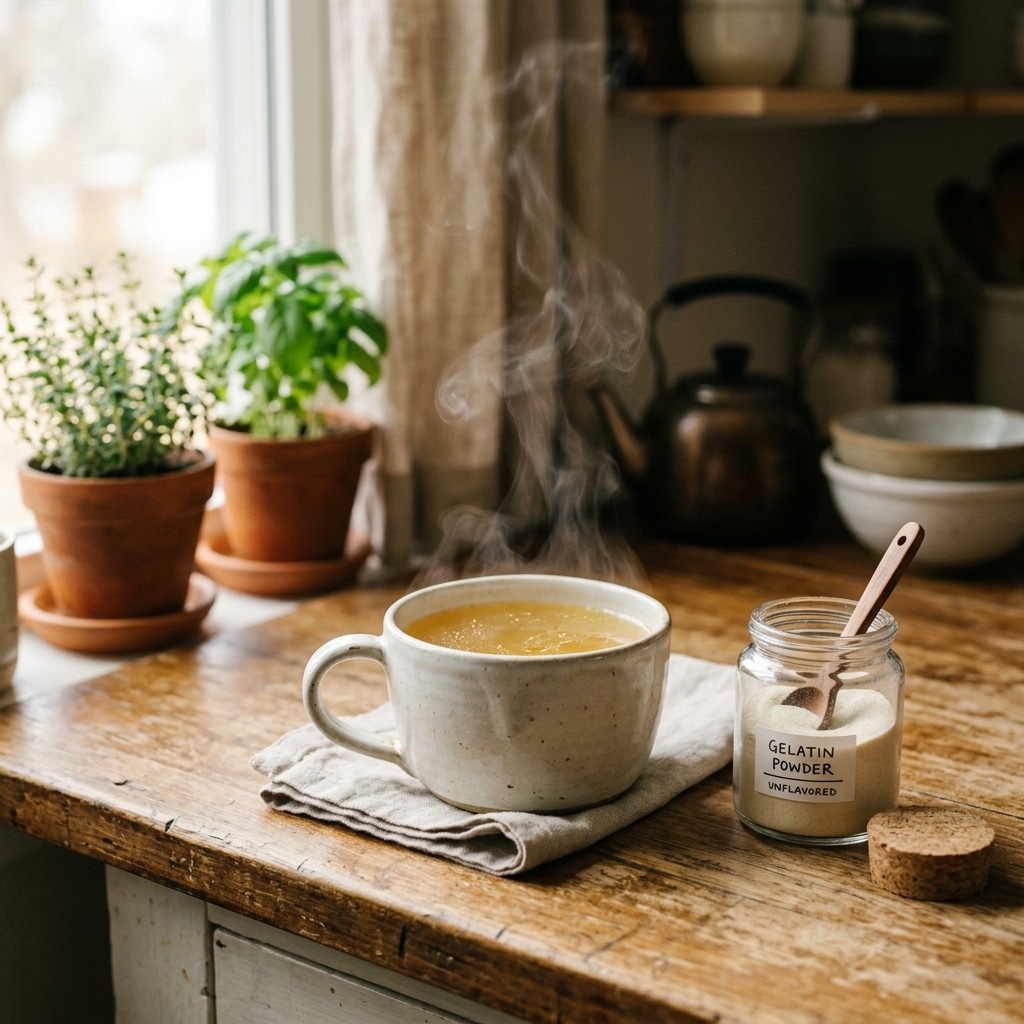
Table of Contents
Why the Horse Gelatin Trick Recipe Actually Works
The Ingredient That Makes the Difference
The key is using high-quality unflavored gelatin — specifically one with a high bloom strength, which is a measure of gel firmness. Horse gelatin (also called equine gelatin or simply food-grade gelatin derived from animal collagen) has traditionally been associated with joint health because of its dense collagen peptide content.
Gelatin is essentially cooked collagen. When you ingest it, your digestive system breaks it into amino acids — particularly glycine, proline, and hydroxyproline — that your body uses to rebuild connective tissue. According to research summarized by Healthline on collagen supplements, these amino acids may support cartilage repair and reduce joint discomfort over time.
What most recipes miss is the cold-soak step. You cannot just dump gelatin into hot water and drink it — you’ll end up with lumpy goop that coats your throat. The bloom first, then dissolve method is everything.
The Technique Most People Get Wrong
The biggest mistake I made the first two weeks was adding gelatin directly to warm liquid. It clumps immediately and you spend five minutes stirring something that still tastes gritty. The correct technique is blooming: stir your gelatin into a small amount of cold water, wait two full minutes, then add warm (not boiling) liquid to dissolve it completely.
Temperature matters, too. Boiling water partially denatures the protein structure in gelatin, which may reduce its effectiveness. Keep your dissolving liquid between 140°F and 160°F — hot tap water or briefly microwaved water works perfectly. I use a candy thermometer because I learned the hard way that “hot enough to feel warm” and 150°F are not the same thing.
If you’re also exploring other morning health routines, my post on the gelatin trick for weight loss covers the metabolic side of things, which pairs well with what we’re doing here.
Ingredients & Preparation
Full Ingredient List with Notes on Substitutions
This is the base recipe I settled on after about six weeks of testing different ratios and add-ins. It makes one serving.
What you need:
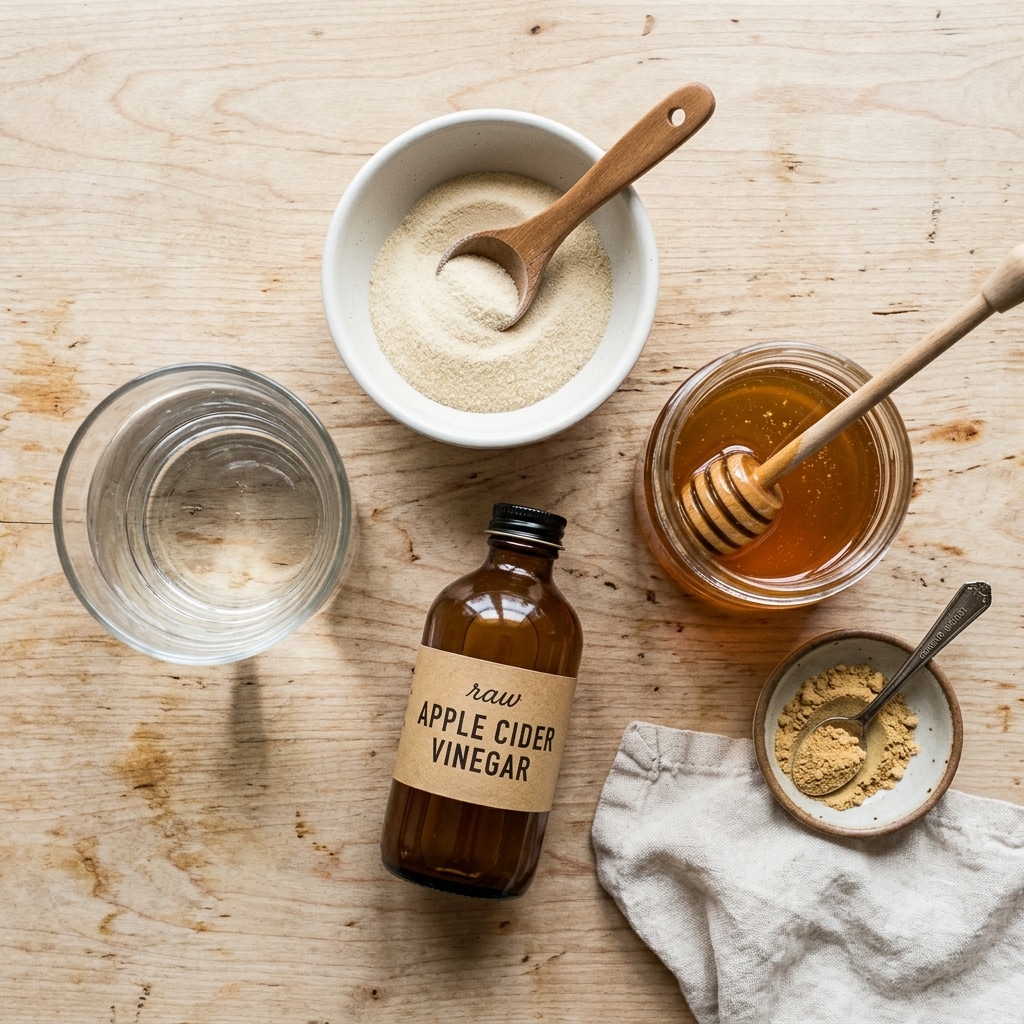
- 1 tablespoon unflavored gelatin powder (approximately 7–8g; look for one with 225+ bloom strength — Knox works, but higher-quality equine or bovine gelatin is worth sourcing online)
- 3 tablespoons cold water (for blooming)
- 1 cup warm water or unsweetened juice (around 150°F)
- 1 tablespoon apple cider vinegar (optional but I swear by it — helps with absorption and cuts the mild gelatin taste)
- ½ teaspoon raw honey or a few drops of liquid stevia (optional sweetener)
- Pinch of ground ginger (optional — anti-inflammatory bonus and it makes it taste intentional)
Substitution notes: You can use bone broth as your warm liquid instead of water for a savory version that actually tastes really good in the evening. Orange juice is my go-to sweet base because the vitamin C may help with collagen synthesis, per USDA nutritional guidance on vitamin C. Avoid pineapple or kiwi juice — the enzymes in them (bromelain and actinidin) break down gelatin and you’ll end up with liquid that never sets properly. I found that out the messy way.
| Base Liquid Option | Taste Profile | Best Time to Drink |
|---|---|---|
| Plain warm water | Neutral, mild gelatin flavor | Morning, fasted |
| Orange juice | Bright, slightly sweet | Morning with breakfast |
| Bone broth | Savory, rich, umami | Evening or with dinner |
| Warm herbal tea | Floral or earthy, gentle | Anytime |
Step-by-Step Preparation Before Mixing
Measure your gelatin before you do anything else. It sounds obvious, but the first time I tried this half-asleep on a Tuesday morning I eyeballed it and ended up with a substance closer to Jell-O than a drinkable tonic.
Get your warm liquid ready — heat it in a small saucepan or microwave it for about 60 seconds, then let it sit for 30 seconds. You want it warm, not steaming aggressively. Have your cold water in a small bowl or cup ready to go before the gelatin touches anything.
Cooking Instructions
The Mixing Process Step by Step
Step 1: Pour the 3 tablespoons of cold water into a mug or small bowl. Sprinkle the gelatin powder over the surface — don’t dump it in one spot. Let it sit untouched for exactly 2 minutes. You’ll see it absorb the water and turn into a soft, slightly translucent mass. That’s bloomed gelatin.
Step 2: Pour your warm liquid (water, juice, or broth) slowly over the bloomed gelatin. Stir immediately and consistently for about 60 seconds. The gelatin should dissolve completely — no visible granules, no lumps.
Step 3: Add your apple cider vinegar, honey or stevia, and ginger if you’re using them. Stir again for 20 seconds.
Step 4: Drink it warm. Don’t let it sit — once it cools below about 100°F it starts to set and becomes gel-like rather than drinkable.
The whole process takes under five minutes once you’ve done it twice. I prepped this right after my morning coffee for three weeks straight before it became automatic. If you’re experimenting with other nutrient-dense morning recipes, I’d check out the bariatric seed recipe for weight loss — it works well as a follow-up about 30 minutes later.
How to Know When It’s Done Perfectly
The finished drink should be completely smooth and liquid — no graininess when you run a spoon across the bottom of the mug. If you lift your spoon and see small clear beads clinging to it, stir for another 30 seconds with more heat.
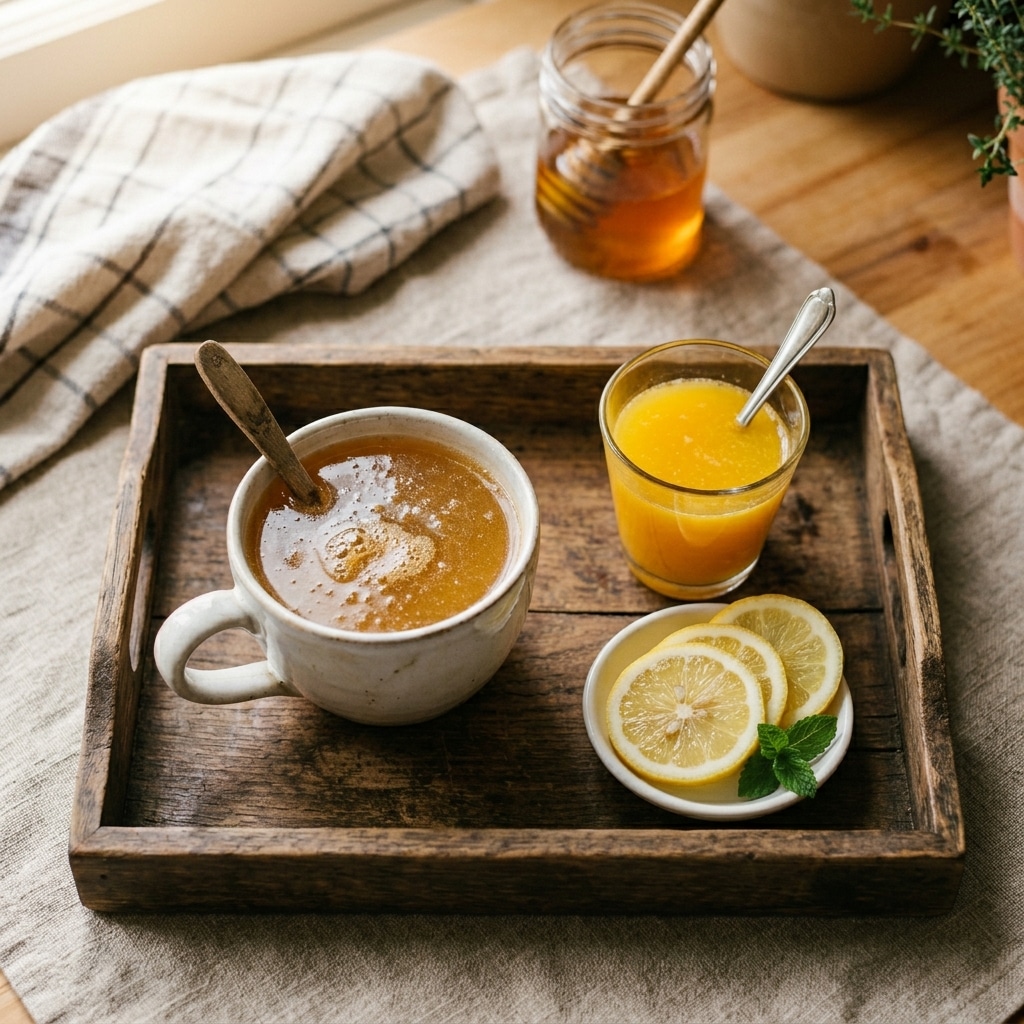
Color-wise, the mixture should be pale and slightly translucent with plain water, golden-orange with juice, or deep amber with broth. If it looks cloudy-white and thick, your water was too cool when you added it — next time add it 10 degrees hotter.
Serving, Storage & Variations
How to Serve It and What to Pair It With
Drink it straight from the mug while it’s warm — that’s really the only serving method that works. A few people in my family prefer to pour it into a small glass with ice after dissolving and drink it chilled, which is fine as long as they drink it before it gels. My husband does this every morning and calls it “cold joint juice,” which is not a phrase I endorse but I’ve stopped arguing.
For a collagen-boosting morning combo, I follow this with a protein-forward breakfast — eggs, Greek yogurt, or something similar. Pairing it with a high-collagen meal like the peppered oxtail with coconut milk in the evenings creates what I think of as bookending your day with connective tissue support.
Storage Tips and Variations Worth Trying
You can pre-bloom a week’s worth of gelatin in advance. Measure out individual tablespoon portions, bloom each with cold water, pour them into an ice cube tray, and freeze. Each morning, pop one cube into your warm liquid and stir — it dissolves in about 90 seconds. This is the version I use now, and it genuinely takes about two minutes from start to finish.
Variations I’ve tested and liked:
- Turmeric version: Add ¼ teaspoon ground turmeric and a crack of black pepper. The piperine in black pepper increases curcumin absorption. Tastes earthy and bright.
- Collagen peptide boost: Use 1 teaspoon regular gelatin plus 1 teaspoon hydrolyzed collagen peptides. The peptides dissolve in cold liquid, so there’s no blooming needed for that half — just stir into cold water first, then add the bloomed gelatin.
- Evening bone broth version: Skip the vinegar and honey, use warm bone broth as your base, add a pinch of sea salt and dried thyme. It’s almost like a light savory soup. I made this on a cold night in February and it became a whole thing in our house.
Frequently Asked Questions
Does the gelatin trick really work?
The honest answer is: for some people, yes — and for others, not noticeably. The amino acids in gelatin do support connective tissue, and some clinical studies show improvement in joint comfort after consistent daily intake over 8–12 weeks. It’s not a cure, but it’s low-cost and low-risk, which is why I kept with it.
What is the formula for the gelatin trick?
The standard formula is 1 tablespoon of unflavored gelatin bloomed in 3 tablespoons of cold water, then dissolved in 1 cup of warm liquid. Some versions add apple cider vinegar or vitamin C-rich juice to support absorption. The key is the two-step bloom-then-dissolve method — skipping it leads to a gritty, unpleasant texture.
What is horse gelatin good for?
Horse gelatin is rich in collagen-derived proteins, particularly those that support joint tissue, skin elasticity, and gut lining health. It’s been used in traditional European and Asian wellness practices for generations. In cooking, it behaves similarly to other food-grade gelatins but is often noted for its high bloom strength and clean flavor.
What is the gelatin trick for arthritis?
The gelatin trick for arthritis involves taking one tablespoon of unflavored gelatin dissolved in warm water daily. The idea is that gelatin’s amino acids — glycine and proline — provide raw material for cartilage repair. Some people report reduced joint stiffness after consistent use over several weeks, though results vary by person.
My Honest Take After Months of Making This
The horse gelatin trick recipe is one of those things that sounds stranger than it is. Once you nail the blooming technique, it takes less time than making a cup of tea. I’ve been consistent with it for about four months now, and while I can’t make medical claims, my knees feel better on the stairs and that’s enough for me to keep going. Give it two weeks of daily use before you judge whether it’s working — one cup on a random Tuesday proves nothing. Try it tomorrow morning, and let me know in the comments how your version turned out.